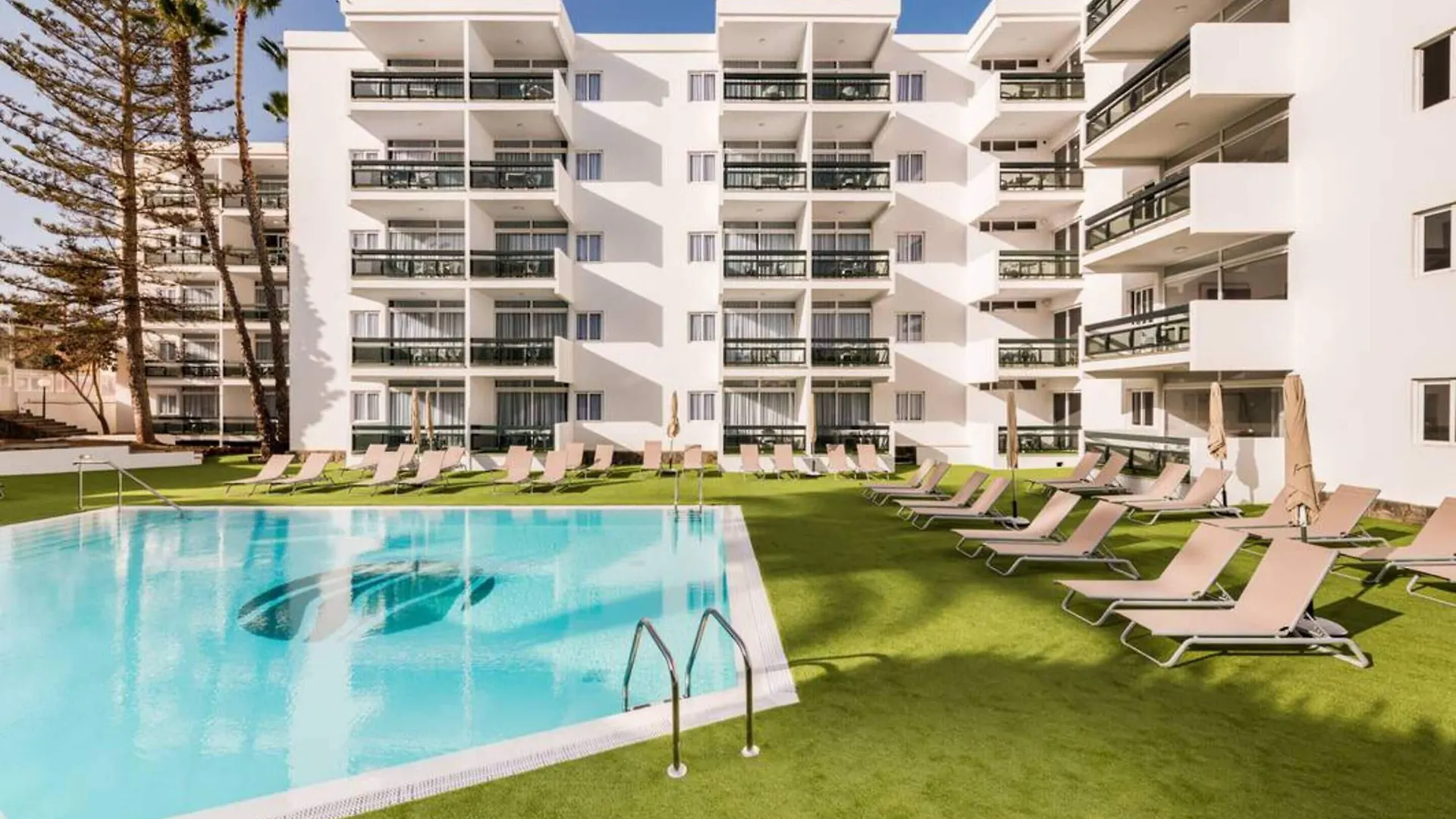
Maspalomas Dunes sit at the southern tip of Gran Canaria, forming a protected natural reserve of over 400 hectares of Saharan-origin sand that borders both Maspalomas Beach and the Charca lagoon. Staying in the central area surrounding the dunes means you are positioned between Playa del Inglés to the north-east and the quieter Meloneras promenade to the south-west - two very different atmospheres within the same micro-region. Hotels here cluster mainly along Avenida de Gran Canaria and the streets behind Yumbo Centrum, placing guests within reach of the dune access points, the beach paseo, and the main commercial strips without relying heavily on taxis or rental cars.
What It's Like Staying Near Maspalomas Dunes
The zone immediately around Maspalomas Dunes is a tourist-built corridor rather than a traditional Spanish town, which means infrastructure is dense and geared entirely toward visitors: supermarkets, bike rental shops, beach shuttle stops, and tour desks line the main avenues. Walking to the dune access point at the Riu hotel end takes around 15 minutes from the heart of Playa del Inglés, though the distance varies significantly depending on which street your hotel sits on. The area operates at two distinct rhythms - busy beach hours from mid-morning until sunset, then a livelier nightlife pulse centred on Yumbo Centrum and Kasbah after dark, which means noise levels are a genuine consideration when choosing your exact street position.
Bus routes 18, 25, 30, 36, 66 and 90 serve the corridor regularly, and a taxi ride between Playa del Inglés and the dune entrance costs only a few euros, making transport a non-issue even if your hotel is not front-row. Families with young children and sun-seekers who want to maximize beach hours benefit most from staying here; travelers seeking an authentic Canarian village atmosphere would find the resort character of this zone a poor fit.
Pros:
- * Direct proximity to the dune nature reserve and Maspalomas Beach, reachable on foot or by a short bus hop
- * Dense commercial infrastructure: shops, restaurants, rental services, and tour desks within walking distance
- * Frequent public transport covering the whole southern Gran Canaria corridor including airport connections
Cons:
- * Playa del Inglés streets near Yumbo and Kasbah carry nightlife noise that can reach hotel rooms past midnight
- * The resort corridor has little architectural character and very few locally-run eateries outside the tourist circuit
- * High-season foot traffic on the beach paseo and dune access paths makes early morning visits strongly advisable
Why Choose Central Hotels Near Maspalomas Dunes
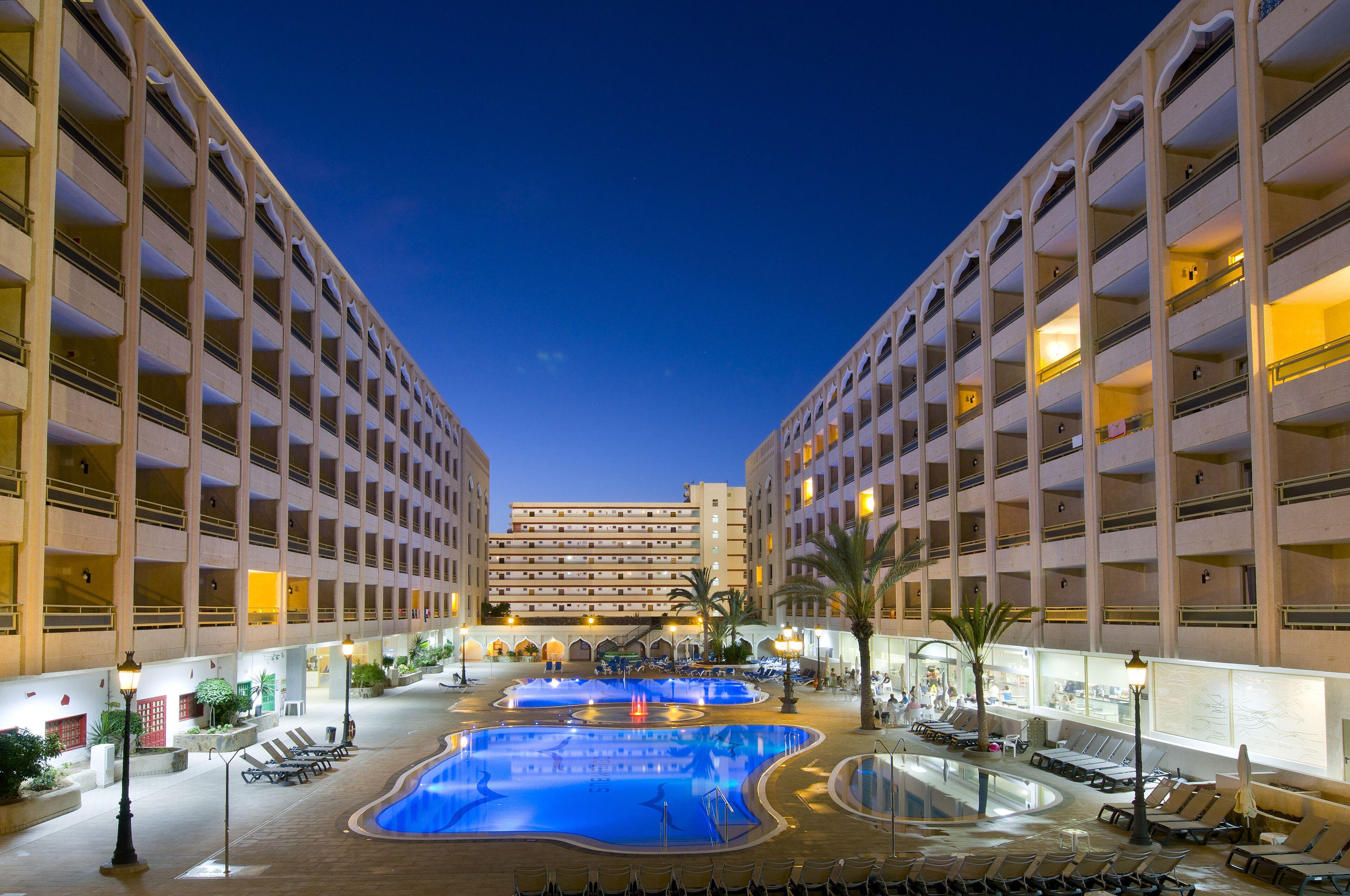
Central hotels in the Maspalomas-Playa del Inglés corridor offer a practical middle ground: you get structured amenities - pools, restaurants, shuttle services - without the isolated all-inclusive feel of the large beach-front resort clusters, and without the premium pricing of the front-row dune-view properties. In this zone, a centrally located apartment-hotel or bungalow complex typically runs around 30% less per night than an equivalent beachfront option during high season, while still allowing beach access in under 20 minutes on foot. Room sizes are generally generous by European resort standards, with kitchenette-equipped studios and one-bedroom apartments common even in mid-range properties - a feature that reduces daily food spending considerably.
The main trade-off is that true dune views are reserved for properties on the Maspalomas side, and centrally placed hotels in the Playa del Inglés grid sit inland enough that sea views require upper floors. The flip side is that central positioning gives you faster access to Yumbo Centrum's 200-plus commercial units, the Kasbah shopping area, and the bus network hub on Avenida de Gran Canaria - making car-free stays entirely realistic from a central base.
Pros:
- * Kitchenette and self-catering options widely available, reducing reliance on hotel restaurants for every meal
- * Balanced access to both the natural dune reserve and the commercial/entertainment strip without being locked into one end
- * Shuttle services to the beach included or available at low cost in most central properties
Cons:
- * Dune panoramas and direct beach frontage require paying a location premium not offered by central hotels
- * Some older central bungalow complexes have not been renovated to match the newer beachfront resorts in finish quality
- * Parking in the central grid is limited and often chargeable even at hotels with on-site spaces
Practical Booking & Area Strategy
The two most useful streets for central positioning are Avenida de Gran Canaria and Avenida de Tirajana - hotels on or just off these axes sit within easy reach of the Yumbo Centrum bus interchange, the Faro 2 Shopping Centre around 1 km south, and the dune access path near the Riu Palace end of Maspalomas Beach. Properties on the Playa del Inglés side of the dunes offer walking access to the beach in under 20 minutes, while those closer to the Maspalomas Golf Course side - around 800 metres to 2.5 km from the dune boundary - provide a quieter night-time environment and closer access to the Meloneras promenade. Beyond the dunes themselves, nearby attractions include the Charca de Maspalomas lagoon (a protected birdwatching site adjacent to the dune reserve), Maspalomas Lighthouse, Palmitos Park around 9 km inland, Aqualand Maspalomas water park under 7 km away, and the Maspalomas Golf Course for 18-hole play within 3 km of most central hotels.
For water sports, the beach in front of the dunes and the wider Playa del Inglés shoreline offer windsurfing, diving, snorkelling, and cycling routes along the paseo. Book central hotels at least 8 weeks ahead for Christmas and Carnival periods, when the entire corridor fills at peak pricing; May, June, and September offer the best value, with fewer crowds on the dune paths and lower nightly rates across the board. Hotels with included beach shuttles are worth prioritising if you plan to spend most days on the Maspalomas Beach side rather than the Playa del Inglés stretch.
Best Value Stays
These central properties offer solid amenity sets and practical dune access at rates that suit stays of a week or more, with self-catering options that keep overall trip costs down.
-
1. Roca Verde By Folias Hotels - Playa Del Ingles
Show on map


Just a few rooms left at the best rate!
fromUS$ 86
-
2. Bungalows Vistaflor
Show on map


Rooms filling fast – secure the best rate!
fromUS$ 40
-
3. Hotel Sahara Playa
Show on map


 from
fromUS$ 328
-
4. Hotel Caserio
Show on map


Hurry – almost gone at this price!
fromUS$ 153
-
5. Hl Rondo Hotel
Show on map


Rooms filling fast – secure the best rate!
fromUS$ 93
Best Premium Stays
These properties offer higher-grade facilities, specialist wellness provision, or exceptional positioning relative to the dune reserve - justified by a corresponding step up in nightly rate and overall experience.
-
6. Fbc Fortuny Resort - Adults Only
Show on map


Just a few rooms left at the best rate!
fromUS$ 74
-
7. Gloria Palace San Agustin Thalasso & Hotel
Show on map


Hurry – almost gone at this price!
fromUS$ 94
-
8. Santa Monica Suites Hotel
Show on map


Rooms filling fast – secure the best rate!
fromUS$ 271
-
9. Hotel Riu Palace Maspalomas - Adults Only
Show on map


Hurry – almost gone at this price!
fromUS$ 245
-
10. Seven Hotel & Wellness - Gay Men Only
Show on map


Just a few rooms left at the best rate!
fromUS$ 196
Smart Travel & Timing Advice
Gran Canaria's southern coast is a year-round destination, but the Maspalomas Dunes zone operates at very different crowd and price levels depending on when you visit. December to February is peak season for northern European sun-seekers escaping winter, which means the dune paths, beach paseo, and central hotels operate at near-full capacity - book central hotels at least 8 weeks ahead for this window. Christmas and Carnival (February) are the tightest periods of all, with room rates at their annual high across the Playa del Inglés and Maspalomas corridor. July and August bring summer holidaymakers and higher temperatures, though the trade winds that hit the dune area keep conditions more bearable than on other island resorts.
May, June, and September are the most practical months for a first visit: hotel prices drop by around 25% compared to winter peak, the dune paths are noticeably less crowded in the early morning, and temperatures sit in the mid-20s °C - warm enough for daily beach use without the summer heat. A minimum stay of 5 nights makes sense logistically: it allows time for the dunes (best visited twice - once at sunrise and once at late afternoon for different light conditions), the Charca lagoon, Palmitos Park, and at least one day trip further inland. Last-minute deals in May and October do appear, but central hotels with beach shuttles and pool access tend to fill ahead of budget-only properties, so early booking remains the safer strategy for this specific category.