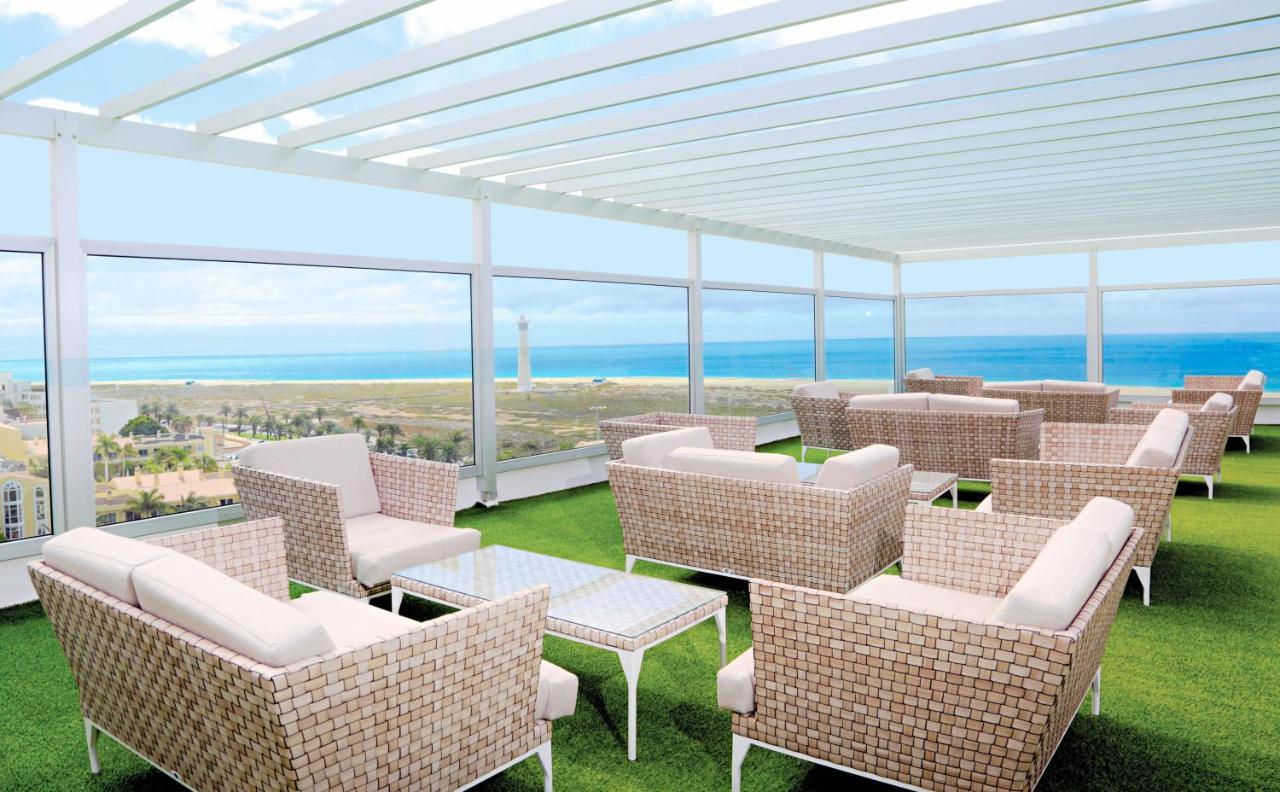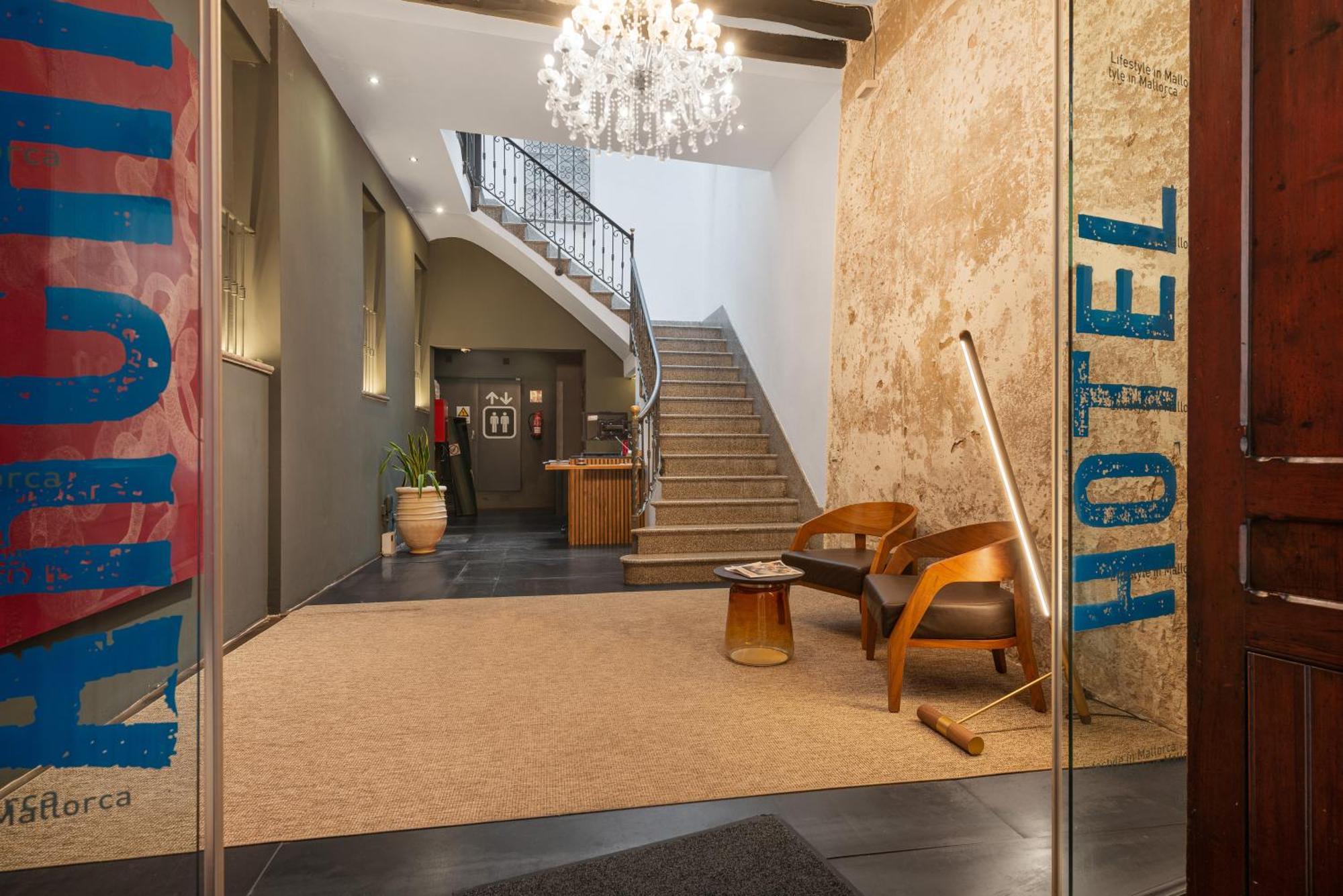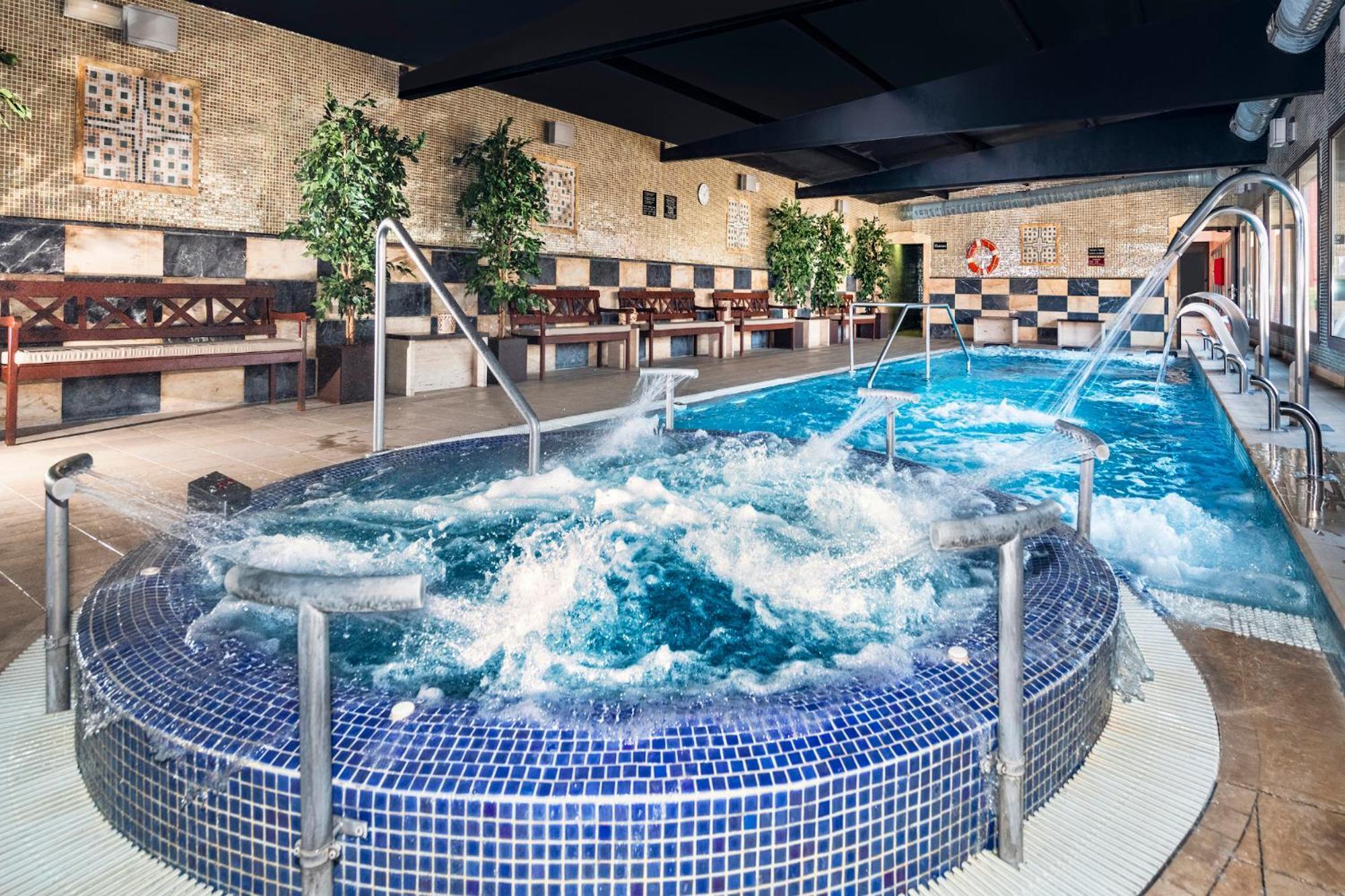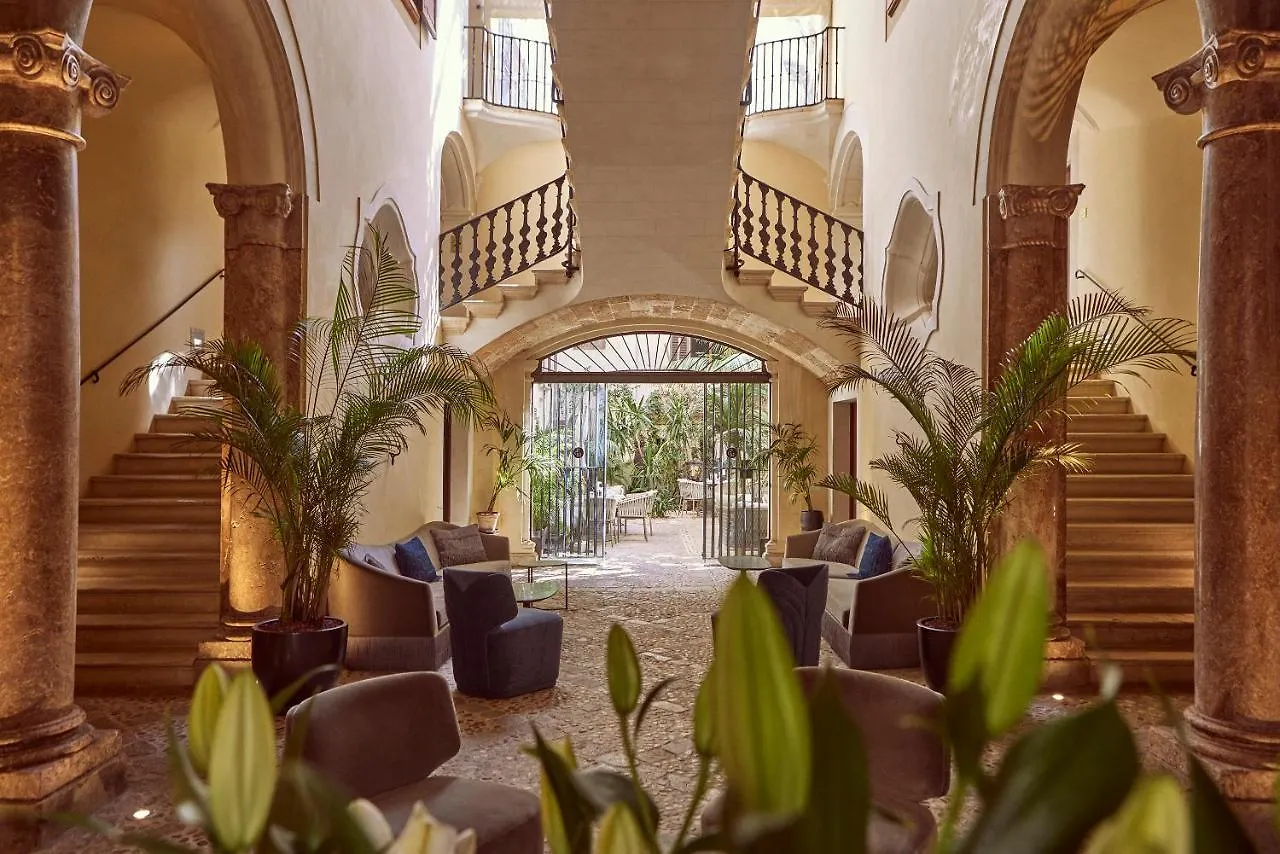
Old Town Palma concentrates three of the city's most compelling spa hotel options within a compact walkable grid - a rare combination of historic architecture, functioning wellness facilities, and central access to Palma's top landmarks. This guide compares them directly, with specific positioning advice, seasonal booking strategy, and the trade-offs each property carries.
What It's Like Staying In Old Town Palma de Mallorca
Staying in Old Town puts you inside a dense, pedestrian-priority historic core where Palma Cathedral, the Almudaina Palace, Passeig del Born, and La Llotja are all reachable on foot in under 10 minutes. The trade-off is real: cobblestone streets are narrow and uneven, parking within the historic centre is severely restricted, and the La Lonja neighbourhood - home to several hotels on this list - transitions into a lively bar and restaurant circuit after 22:00, which means street-level noise can carry into lighter-sleep rooms. Around 80% of Old Town's key cultural sites are clustered within a 15-minute walk of the main hotel corridor, making it the most logistically efficient district for sightseeing on foot.
Pros:
- * Every major Palma landmark is walkable - no taxis or EMT buses needed for daily sightseeing
- * Soundproofed rooms at Old Town spa hotels block La Lonja nightlife noise effectively
- * Airport shuttle services available at all three hotels reduce car dependency entirely
Cons:
- * Cobblestone streets and inclines make mobility harder with heavy luggage or reduced mobility
- * No on-site parking at most properties; hotel parking arrangements require advance coordination
- * La Lonja street activity peaks late evening, impacting quieter room categories on lower floors
Why Choose Spa Hotels In Old Town Palma
Spa hotels in Old Town Palma offer something that beach-zone wellness resorts do not: the ability to walk out of a Turkish bath or sauna directly into a neighbourhood dense with 13th-century architecture, Michelin-starred restaurants, and independent boutiques on Carrer dels Apuntadors or Avinguda Jaume III. Old Town spa properties typically sit inside converted 18th-century palaces, which means ceilings are higher, courtyards are real, and the aesthetic context is architectural rather than resort-generic. Room sizes in these conversions can be smaller than purpose-built resort hotels, particularly in standard categories, and the intimate scale means spa facilities are more curated than expansive - think sauna, steam room, and treatment rooms rather than multi-pool complexes. Rates in peak summer run significantly higher than equivalent wellness hotels further from the centre, but the trade-off is direct walkability to every major draw in the city without needing a vehicle.
Pros:
- * Spa access combined with walking-distance positioning to Palma Cathedral and Passeig del Born
- * Palace-conversion architecture gives rooms distinct character unavailable in modern resort builds
- * Concierge services at all three properties facilitate spa bookings, restaurant reservations, and cultural tours
Cons:
- * Standard rooms in historic palace conversions are often smaller than equivalent resort categories
- * Spa facilities are intimate in scale - not suitable for guests expecting large multi-pool wellness centres
- * Premium pricing in peak season makes last-minute booking expensive without early reservation strategy
Practical Booking & Area Strategy
The strongest micro-location for spa hotel stays in Old Town is the La Lonja-Passeig del Born corridor, where Puro Hotel and Palacio Can Marqués both sit within 5 minutes' walk of the waterfront and the Born shopping axis. Hotel Cappuccino on Carrer Miquel Marqués positions guests closer to Palma Cathedral - around 500 metres - giving immediate access to the Gothic Quarter. For EMT bus connections to Palma Airport or the beach, the main stops on Passeig del Born are under 8 minutes' walk from all three properties. Book spa treatments at least 2 weeks in advance during July and August - treatment slots at in-demand Old Town properties fill quickly, and securing a post-sightseeing evening massage requires forward planning. Shoulder season (October to November and March to April) offers the best balance: streets are quieter, spa availability is high, and you can walk the entire Born-Cathedral-Llotja circuit without competing with summer crowds. Palma's Old Town is safe at night; the La Lonja area has active foot traffic until late, which adds to security but also ambient noise.
Best Value Spa Stay
The most accessible entry point into Old Town spa hotels, combining urban atmosphere with wellness facilities inside a historic La Lonja setting.
-
1. Puro Hotel Oasis Urbano
Show on map


 Check-infrom 15:00 until 23:59Check-outfrom 08:00 until 11:00
Just a few rooms left at the best rate!
from€ 115
Best Premium Spa Stays
Two palace-conversion properties that combine high-end wellness facilities with significant architectural distinction and a broader suite of services in Old Town Palma.
-
2. Palacio Can Marques By Puro (Adults Only)
Show on map


 Check-infrom 15:00 until 23:59Check-outuntil 12:00
Hurry – almost gone at this price!
from€ 238
-
3. Hotel Cappuccino - Palma
Show on map


 Check-infrom 15:00 until 23:59Check-outuntil 12:00
Rooms filling fast – secure the best rate!
from€ 205
Smart Travel & Timing Advice For Old Town Palma
May, June, and September are the peak-value window for spa hotel stays in Old Town: temperatures are comfortable for walking the historic centre, rooftop pools and terraces are fully operational, and spa slots are easier to secure than in mid-August when occupancy across La Lonja properties runs near capacity. July and August bring the highest rates and the most crowded street conditions - Carrer dels Apuntadors and the La Llotja square fill quickly after 20:00. For spa-focused stays where you plan to split time between treatments and sightseeing, a minimum of 3 nights makes logistical sense: one day for Cathedral-Born-Almudaina, one for the waterfront and Santa Catalina market, and one held for full spa use or a day trip to Valldemossa. Book spa hotels in Old Town at least 6 weeks ahead for summer - the combination of limited inventory, palace-conversion room counts, and high demand means popular suite categories disappear fast. Winter stays (January-February) drop rates noticeably, streets are walkable without crowds, and spa use becomes a central rather than supplementary part of the visit.