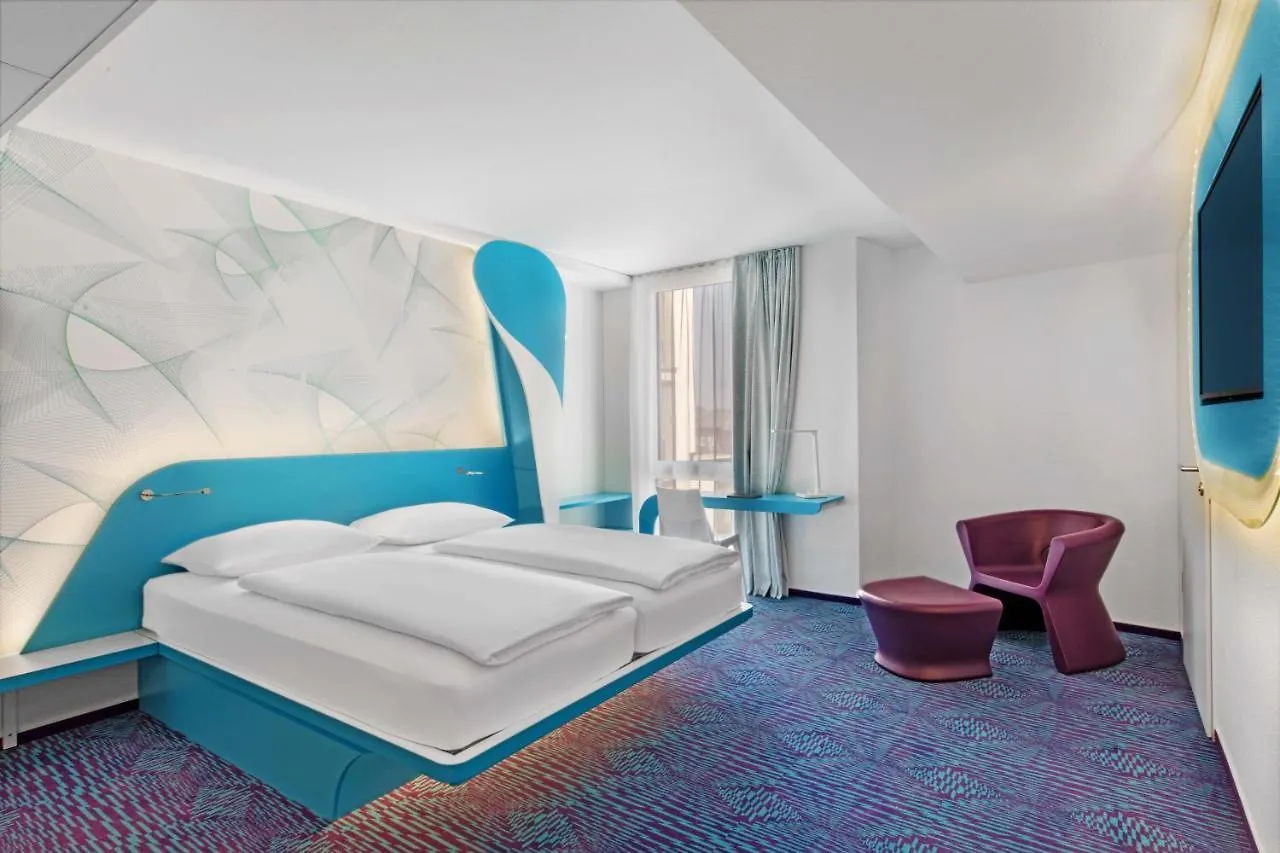
St. Pauli sits at the intersection of Hamburg's harbour energy and its most electrifying nightlife corridor, making it one of the city's most debated places to stay. The design hotels here range from panoramic high-rises with 118-metre wine bars to harbour-front properties steps from the Reeperbahn - each with a distinct architectural identity that reflects the district's raw, unapologetic character. This guide breaks down exactly what to expect, which properties stand out, and how to book smart.
What It's Like Staying In St. Pauli
St. Pauli is Hamburg's most kinetic district - the Reeperbahn runs through its spine, the harbour sits at its southern edge, and the S-Bahn and U-Bahn connections put the rest of the city within 15 minutes. Staying here means direct access to Landungsbrücken, the Fish Market, and Millerntor Stadium without a single transfer. Noise is a genuine factor at night, especially on weekends when the Reeperbahn draws large crowds until dawn - soundproofed rooms are not a luxury here, they are a necessity.
The district rewards travellers who want to move through Hamburg efficiently rather than stay in a quieter residential bubble. Those sensitive to urban nightlife noise or seeking a calm retreat would find the Altona or HafenCity districts more comfortable.
Pros:
- Walking distance to Hamburg Harbour, St. Pauli Piers, and the Reeperbahn entertainment zone
- S-Bahn and U-Bahn access connects you to the city centre, HafenCity, and Hamburg Airport in under 20 minutes
- Design hotel stock here is genuinely strong - properties compete on architecture, views, and spa quality
Cons:
- Weekend nights on and near the Reeperbahn generate significant noise until early morning hours
- Parking is limited and expensive - around €25 per night in most on-site garages
- The adult entertainment reputation of the area can feel uncomfortable for some first-time visitors unfamiliar with the district's broader cultural mix
Why Choose Design Hotels In St. Pauli
Design hotels in St. Pauli are not decorator-led boutique concepts - they are architecturally assertive properties that use height, harbour proximity, and urban contrasts as part of the guest experience. Floor-to-ceiling windows facing the Elbe, rooftop bars at triple-digit altitudes, and spa terraces with panoramic city exposure are recurring features that budget and standard hotels in the district simply do not offer. Rates for design-focused properties here typically run around 40% higher than standard 3-star options in the same postcode, but the differentiator is experiential, not just cosmetic.
Room sizes in St. Pauli's design segment trend toward functional rather than generous - urban footprints are tight - but finishes, soundproofing, and tech integration (in-room safes, flat-screen setups, air conditioning) are consistently above the city average. The trade-off is real: you pay for the view and the concept, not necessarily for square metres.
Pros:
- Rooftop and panoramic bar access built into the hotel - no separate venue booking required
- Spa and fitness facilities at the top design properties include sauna, steam bath, and Kneipp therapy pools
- Architectural differentiation means every property has a distinct visual identity - rooms feel designed, not furnished
Cons:
- Higher nightly rates versus standard hotels in the same zone, with room size not always reflecting the price premium
- Demand spikes sharply during Hamburg's trade fair season and Reeperbahn Festival, pushing availability down fast
- Some design properties prioritise aesthetics over practical storage - check wardrobe and luggage space before booking longer stays
Practical Booking & Area Strategy
The strongest positioning for design hotels in St. Pauli clusters along Bernhard-Nocht-Straße and the harbour-facing stretch near Norderelbe - from here, Landungsbrücken U3/S-Bahn station is a 10-minute walk, giving you direct rail access to Hamburg Hauptbahnhof, the Elbphilharmonie, and Hamburg Airport. Properties on or near Simon-von-Utrecht-Straße sit closer to the Reeperbahn action but absorb more nighttime noise. If you prioritise views and quiet, go harbour-side. If you want to be in the cultural thick of it, the Reeperbahn-adjacent addresses work.
St. Pauli's main draws within walking distance include the St. Pauli Piers (Landungsbrücken), the historic Fischmarkt, Millerntor Stadium, and the Reeperbahn itself - Hamburg's most concentrated entertainment strip. Book at least 6 weeks in advance if your dates overlap with the Hamburg Messe trade fair calendar or the Reeperbahn Festival in September, when occupancy across the district hits saturation. Last-minute availability does appear mid-week in low season (January-February), but the design-tier properties clear out first.
Walking times to note: the Elbphilharmonie in HafenCity is around 3 kilometres from St. Pauli's harbour edge - a 35-minute walk or a single U-Bahn stop via Baumwall. The city centre (Jungfernstieg) is reachable in under 15 minutes by S-Bahn from Reeperbahn station.
Best Value Design Stays
These properties deliver strong design credentials and location advantage at a more accessible price point - practical choices when you want the St. Pauli experience without the premium rooftop pricing.
-
1. Prize By Radisson, Hamburg St Pauli
Show on map


 Check-infrom 15:00 until 23:59Check-outuntil 12:00
Just a few rooms left at the best rate!
from€ 72
-
2. Ibis Hotel Hamburg St. Pauli Messe
Show on map


 Check-infrom 15:00 until 23:59Check-outuntil 12:00
Just a few rooms left at the best rate!
from€ 76
Best Premium Design Stays
These two properties represent the architectural and experiential peak of design hotel stays in the St. Pauli and Hamburg harbour zone - both offer panoramic amenities and spa infrastructure that set them apart from anything else in the district.
-
3. Empire Riverside Hotel
Show on map


 Check-infrom 15:00 until 23:59Check-outuntil 11:00
Hurry – almost gone at this price!
from€ 271
-
4. Radisson Blu Hotel, Hamburg
Show on map


 Check-infrom 15:00 until 23:59Check-outuntil 12:00
Rooms filling fast – secure the best rate!
from€ 159
Smart Travel & Timing Advice For St. Pauli
St. Pauli operates year-round but its pricing and crowd patterns shift dramatically across the calendar. September is the most expensive month - the Reeperbahn Festival alone draws tens of thousands of visitors and compresses design hotel availability to near zero within days of announcement. The Hamburg Messe trade fair schedule (especially during INTERNORGA in March and SMM in September) similarly spikes occupancy across all hotel categories in the district.
January and February are the quietest and most affordable months - nightly rates at premium design properties can drop by around 30% compared to September peaks, and last-minute availability is genuinely possible. Spring (April-May) offers a balanced window: reasonable pricing, improving weather for harbour walks, and the Fischmarkt running every Sunday morning from 05:00. A minimum of 3 nights makes logistical sense in St. Pauli - one evening to absorb the Reeperbahn properly, one day for the harbour and Elbphilharmonie day trip, and a third for the Altona Fish Market and neighbourhood exploration. Shorter stays often feel rushed given the transit time from Hamburg Airport and the density of things to do within walking distance.