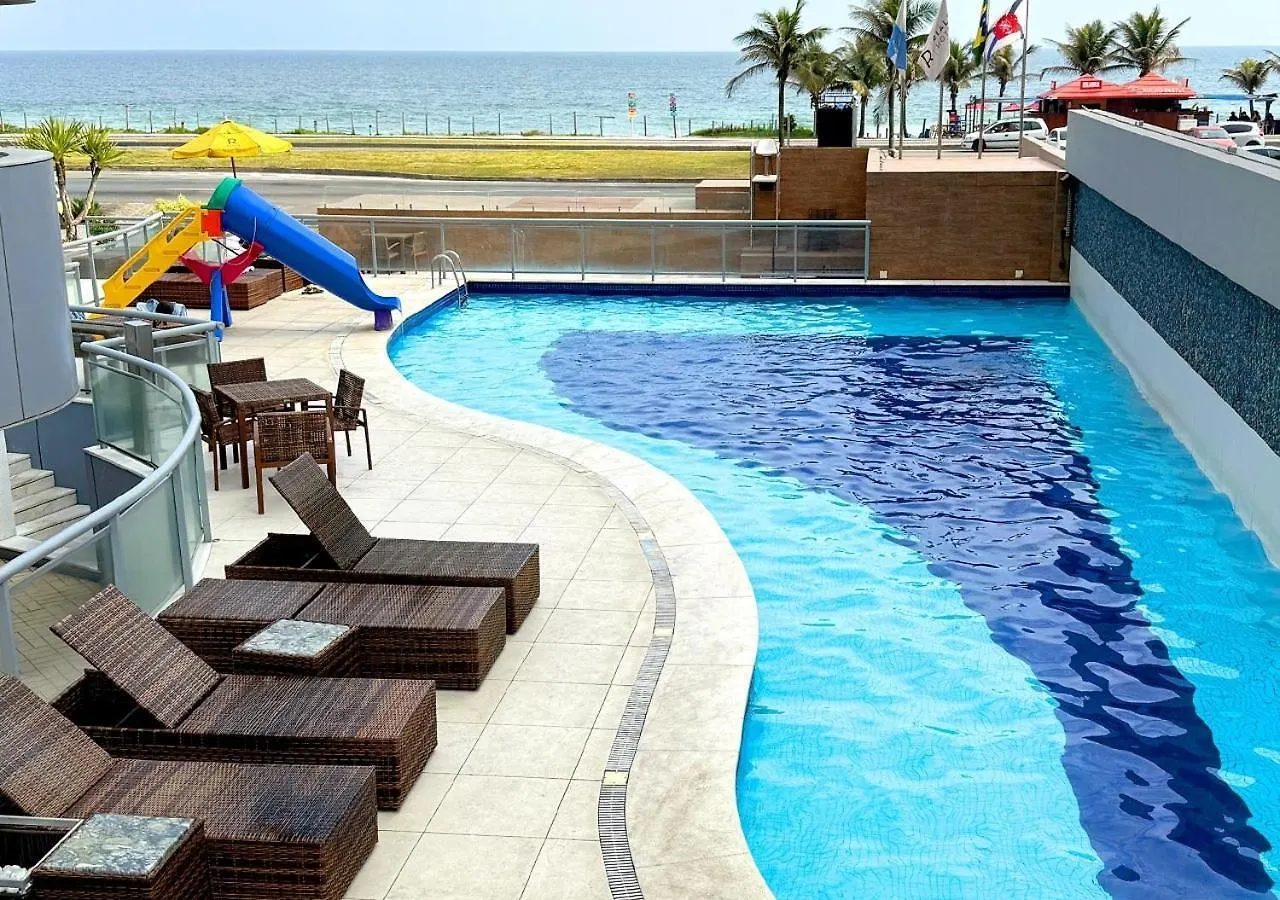
Barra da Tijuca holds the longest beach stretch in Rio de Janeiro - over 18 km of open Atlantic coastline flanked by modern high-rises and wide boulevards. Unlike Copacabana or Ipanema, where beach hotels crowd narrow streets, the hotels here sit directly on Avenida Sernambetiba with unobstructed sea frontage, larger room footprints, and significantly less pedestrian congestion. If your trip is built around beach access, ocean-view rooms, and resort-style amenities, this guide compares the two beachfront options available in the area so you can book with confidence.
What It's Like Staying in Barra da Tijuca
Barra da Tijuca operates on a car-and-app-ride rhythm - the beach runs parallel to Avenida Sernambetiba, a wide multi-lane boulevard that connects the entire strip, but walking between hotels, restaurants, and shopping is rarely practical. The BRT Transcarioca line connects Barra to Galeão International Airport in around 75 minutes depending on traffic, and Line 4 of the metro reaches Ipanema in roughly 40 minutes via the General Osório interchange. The beach itself draws fewer tourists than Zona Sul on weekdays, which means quieter sand and easier access to beach kiosks - but the trade-off is that iconic Rio attractions like Christ the Redeemer require dedicated planning, not spontaneous walks.
Pros:
- * Beachfront hotels sit directly on open Atlantic coastline with no street barriers between the pool deck and the sand
- * Lower crowd density than Copacabana means usable beach space even in January
- * Modern urban infrastructure: wider roads, newer buildings, reliable electricity and water supply
Cons:
- * Almost entirely car-dependent - grocery stores, restaurants, and malls require a rideshare or taxi
- * Farther from Zona Sul's classic sights: Lapa, Santa Teresa, and Sugarloaf Mountain each demand over 40 minutes in transit
- * Limited street-level nightlife compared to Ipanema or Botafogo - bar and restaurant clusters are mostly inside shopping centers like BarraShopping
Why Choose a Beach Hotel in Barra da Tijuca
Beach hotels in Barra da Tijuca are structurally different from beachside options in Zona Sul: rooms are larger on average, pools are outdoor and full-size, and the sea-view balconies actually face open ocean rather than a crowded promenade. Prices here tend to run around 20% lower than comparable beachfront rooms in Ipanema for equivalent square footage and amenity levels - a meaningful saving for a multi-night stay. The main trade-off is access: you're booking a self-contained resort experience rather than a base for city exploration, which means the beach hotel format suits those who want most of their trip to be beach-centric. Families with children particularly benefit from the pool infrastructure and on-site dining that Barra beach hotels deliver, removing the need to leave the property for a full day.
Pros:
- * Full beachfront access with dedicated pool areas, sun loungers, and beach towels included
- * Room categories with sea-view balconies and spa baths available at rates below Zona Sul equivalents
- * On-site restaurants, fitness centers, and wellness facilities reduce dependency on taxis
Cons:
- * Limited walkable dining and bar options outside the hotel - most guests rely on in-house food and drink
- * Barra's beaches can produce strong waves, which limits calm-water swimming in some sections
- * Airport transfers from Santos Dumont (SDU) take around 55 minutes - longer than hotels in Centro or Zona Sul
Practical Booking & Area Strategy for Barra da Tijuca
Both hotels reviewed here are positioned along Avenida Lúcio Costa and Avenida Sernambetiba, the twin arteries that run the full length of Barra's coastline - staying on this corridor puts you within immediate walking distance of the sand, which is the primary reason to choose this district over other parts of Rio. The BRT Transcarioca station at Recreio connects west, and the metro Line 4 at Jardim Oceânico takes you to Ipanema in about 40 minutes - making the east end of Barra the most transport-connected part of the strip. Key attractions within Barra itself include Lagoa de Marapendi (a quiet lagoon ideal for stand-up paddleboarding), Pedra Branca State Park (the world's largest urban state park, with hiking trails starting under 10 km away), and the Ilha da Gigóia boat circuit. For Carnival and New Year's Eve, Barra's beach hosts its own fireworks and events with considerably less crowd pressure than Copacabana, making it easier to secure rooms - but book at least 8 weeks ahead for December and January travel regardless.
Best Beach Hotels in Barra da Tijuca
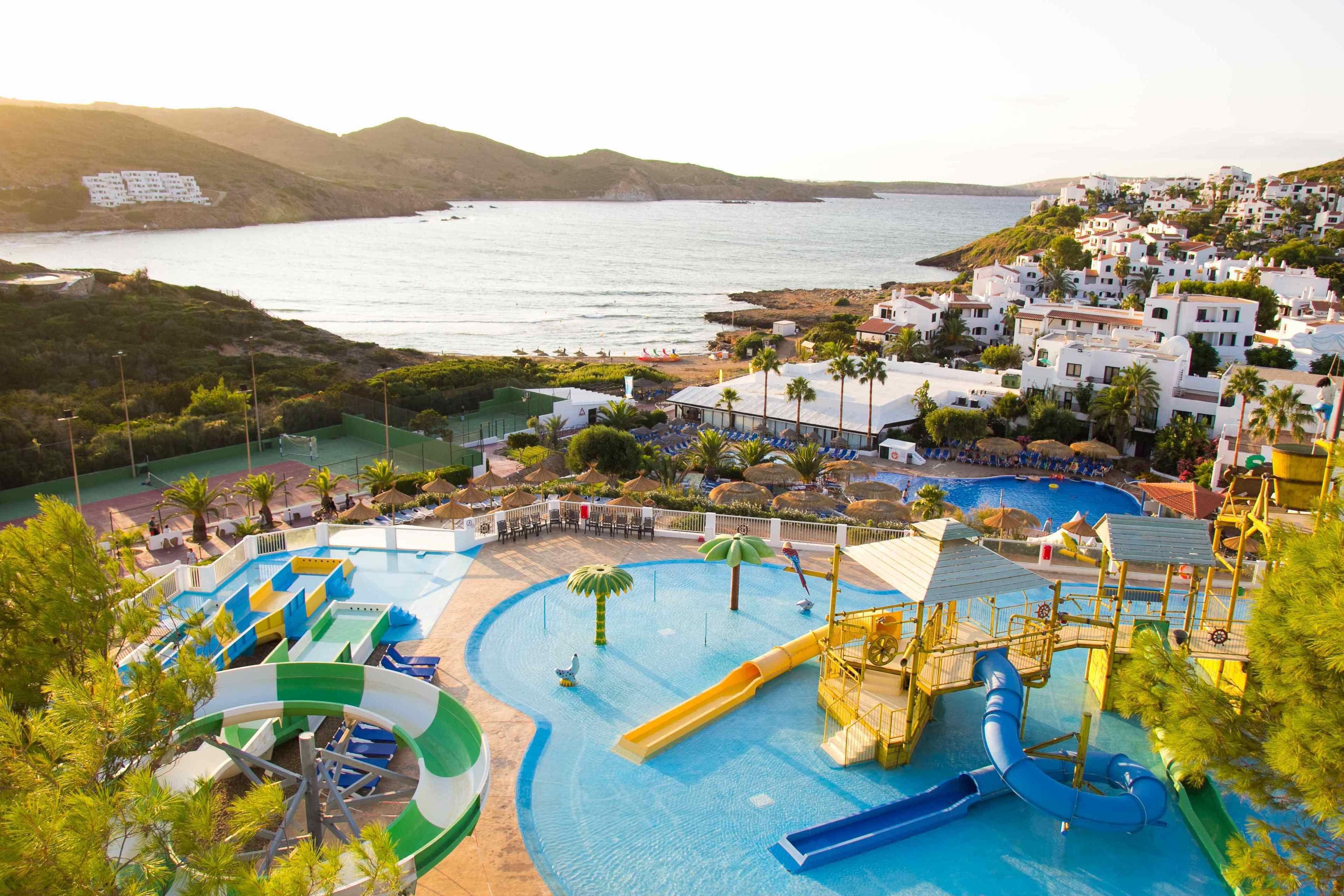
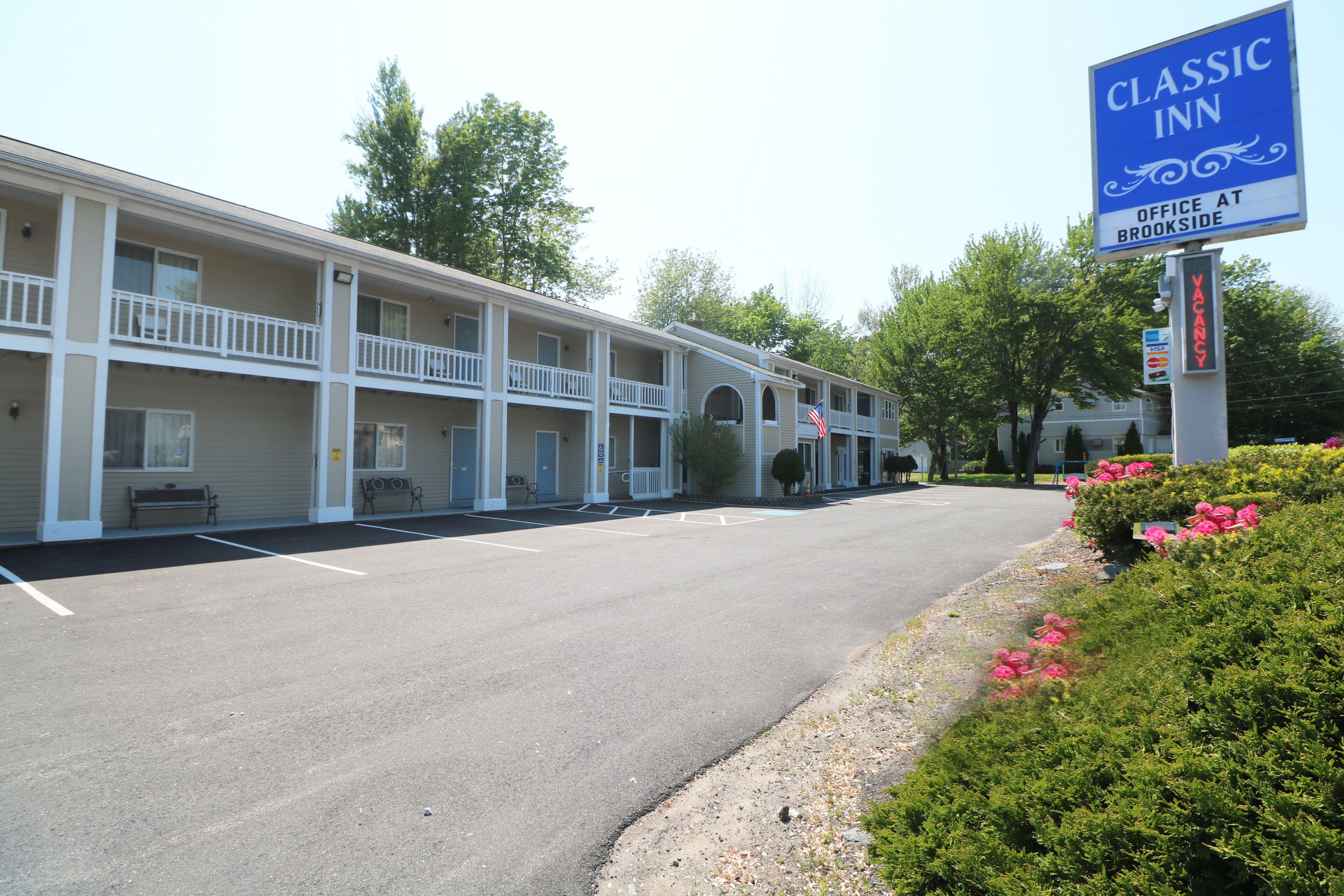
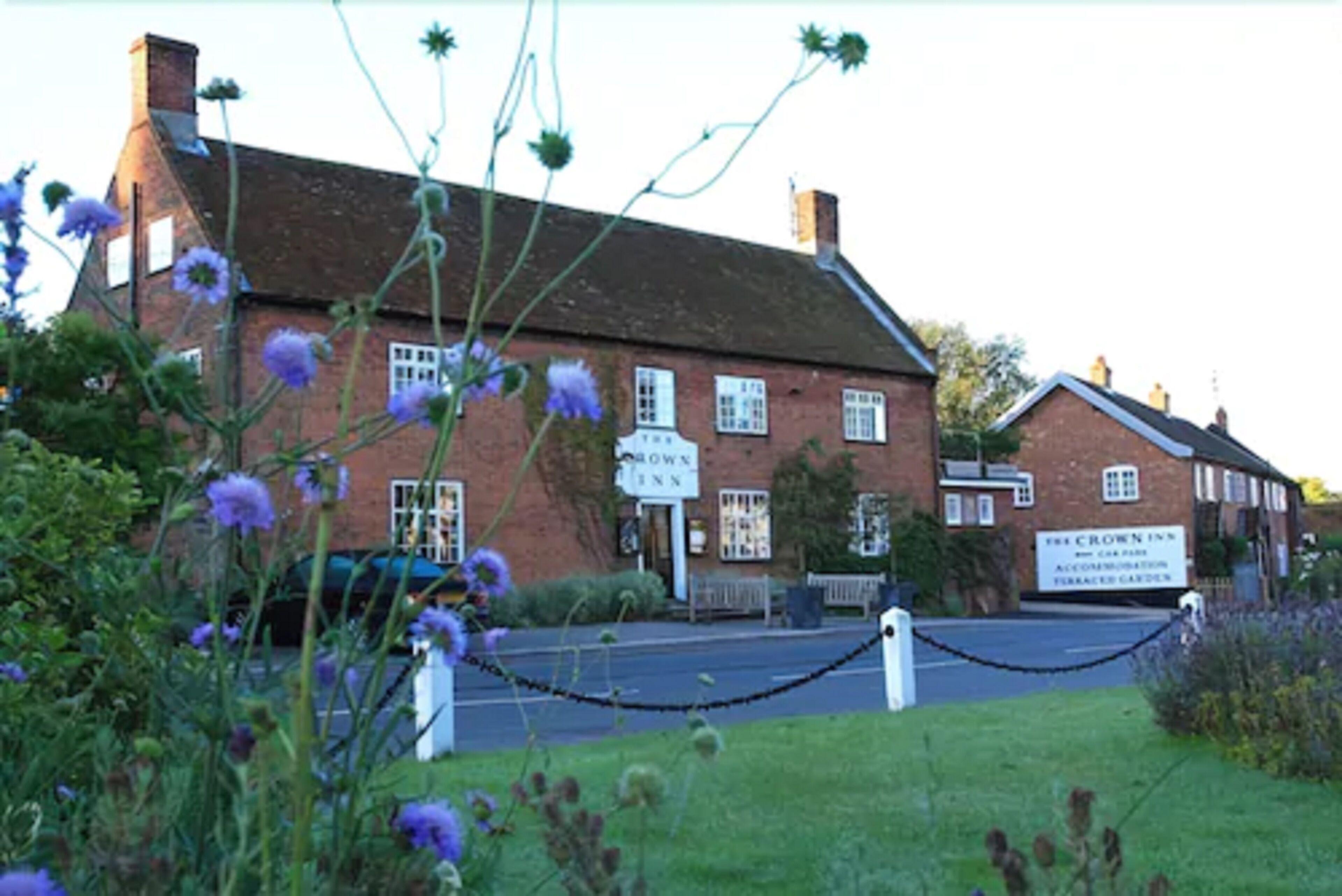
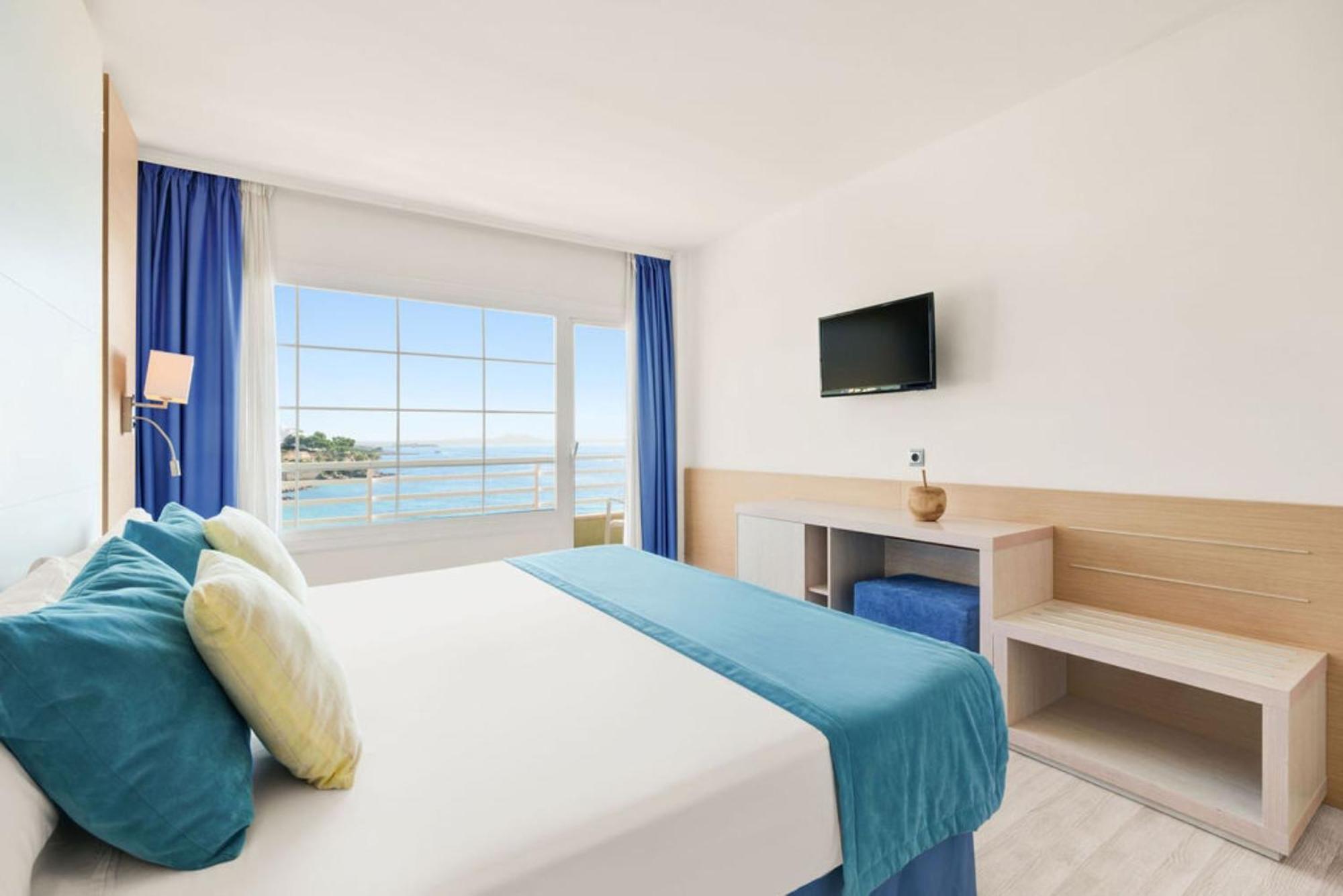
Both properties below sit directly on Barra da Tijuca's beachfront, with outdoor pools, sea-view room options, and on-site dining - here's how they compare in terms of facilities, room configuration, and overall positioning.
-
1. Riale Brisa Barra
Show on map


Just a few rooms left at the best rate!
fromUS$ 115
-
2. Tropical Barra Hotel
Show on map


Hurry – almost gone at this price!
fromUS$ 42
Smart Travel & Timing Advice for Barra da Tijuca
December through February is peak season in Barra da Tijuca - the beach draws both domestic Brazilian tourists on summer holidays and international visitors targeting Carnival, which typically falls in February. Hotel prices spike sharply during this window, and beachfront rooms with ocean views sell out weeks in advance. Book at least 8 weeks ahead for any stay between late December and early March. June through August represents the opposite scenario: the Southern Hemisphere winter brings mild temperatures around 24°C, significantly lower hotel rates, and beaches that are quieter on weekdays - this is arguably the most efficient time to visit Barra if your focus is beach access without the crowds or price premium. October sees the lowest tourist volume in Barra, which translates to the best last-minute deal opportunities. A stay of 3 nights gives enough time to cover the beach corridor, visit Pedra Branca State Park, and make a day trip to Ipanema or the historic center without feeling rushed - anything shorter than 2 nights makes the travel time from Galeão or the city center difficult to justify logistically.