
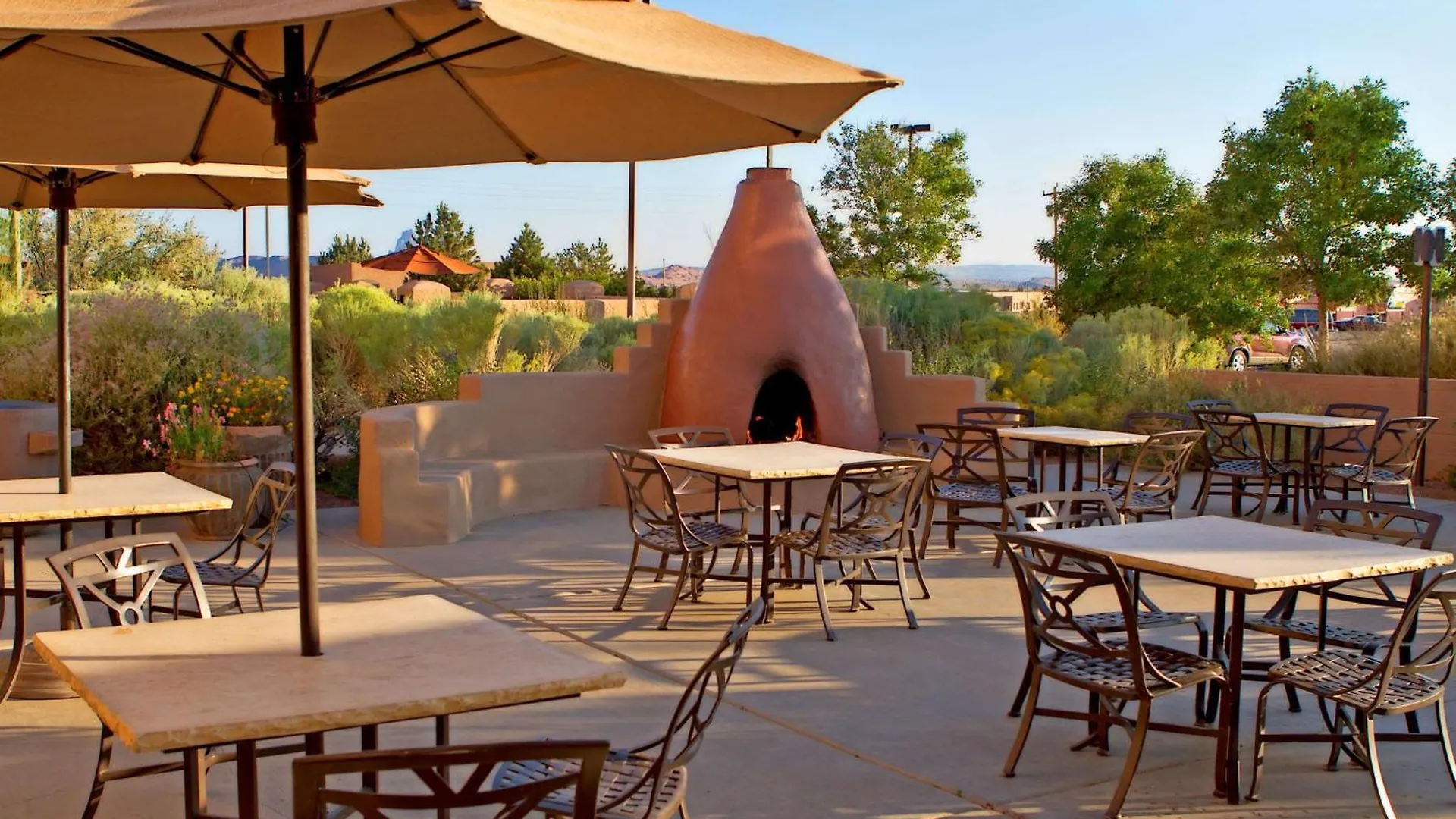
Arizona stretches across dramatically different landscapes - from the red sandstone formations of Monument Valley to the urban sprawl of the Phoenix metro and the Sonoran Desert surrounding Tucson. Hampton by Hilton properties are spread strategically across the state, giving travelers a consistent, reliable mid-range experience whether they're road-tripping through Navajo territory, exploring Lake Havasu, or based in a Phoenix suburb. Each location unlocks a distinct Arizona experience, making the choice of which Hampton to book as important as the destination itself.
What It's Like Staying in Arizona
Arizona demands a car. Public transport is limited outside central Phoenix, and most attractions - whether Antelope Canyon, the Grand Canyon South Rim, or Saguaro National Park - require driving, often on highways with little shade or roadside infrastructure. Summer temperatures regularly exceed 110°F in the lowlands, which shapes when and where most visitors choose to stay. The state draws around 40 million visitors annually, with peak congestion concentrated between October and April in southern Arizona, and in summer around northern canyon country.
Who benefits most from basing here: road-trippers, outdoor adventurers, golf travelers, and families covering multiple state parks in one trip. City-focused travelers who prefer walkable urban neighborhoods may find Arizona's car-dependent layout frustrating.
Pros:
- Exceptional access to some of the most iconic natural landmarks in the American Southwest
- A wide spread of accommodation options across vastly different regions, suiting multi-stop itineraries
- Winter and spring weather in southern Arizona is consistently mild, making it one of the most comfortable off-peak destinations in the U.S.
Cons:
- Almost no destination in Arizona is walkable - a rental car is essentially mandatory
- Summer heat in Phoenix and Tucson makes outdoor sightseeing genuinely uncomfortable for most travelers
- Remote northern Arizona areas have limited dining, medical, and service infrastructure between towns
Why Choose Hampton by Hilton Hotels in Arizona
Hampton by Hilton occupies a well-defined mid-range position in Arizona's hotel market - consistently delivering free hot breakfast, functional fitness centers, and free parking at locations where parking would otherwise add cost. In a state where most itineraries are car-based and guests check in late after full days of driving or hiking, the brand's 24-hour front desk and straightforward amenity package remove common friction points. Rates at Arizona Hampton properties typically run around 20% below comparable Hilton-branded full-service hotels in the same markets, without meaningful sacrifice in cleanliness or bed quality.
Room sizes across Arizona Hampton locations tend to be generous compared to urban Hampton properties in coastal cities - expect standard rooms with space for luggage unpacking, work desks, and in many locations, outdoor pool access that genuinely earns its use after desert days. The included breakfast is a practical cost-saver in areas like Kayenta or Goodyear where dining options within walking distance are thin.
Pros:
- Free hot breakfast included at all Arizona locations, a real value add in areas with limited morning dining
- Free parking as standard - critical in a state where driving is unavoidable and parking fees at resorts add up quickly
- Reliable Hilton Honors points accumulation across all properties, useful for frequent Southwest road-trippers
Cons:
- No on-site full-service dining at most locations - guests dependent on restaurants will need to drive
- Properties in suburban or remote locations offer limited walkability for evening entertainment
- Room aesthetics are functional rather than design-forward, which may disappoint travelers seeking boutique character
Practical Booking & Area Strategy
Arizona's geography requires thinking in zones. The Phoenix metro - including Goodyear and Anthem - suits travelers focused on urban attractions, golf, and sports events, with Phoenix Sky Harbor Airport as the primary entry point. Tucson-area stays, including Marana, work well for visitors combining Saguaro National Park, the Pima Air & Space Museum, and southern Arizona wine country. Northern Arizona locations like Kayenta position travelers within 30 minutes of Monument Valley, but require advance planning since dining and services are sparse. Lake Havasu City operates as a standalone destination, particularly between March and May when the London Bridge area and Colorado River draw heavy crowds - book at least 6 weeks ahead for that window. For Phoenix-area stays, choosing a suburb like Goodyear or Anthem cuts hotel rates noticeably compared to downtown Phoenix properties while keeping highway access clean.
Best Value Stays
These properties offer strong practical value for travelers prioritizing location access, included amenities, and cost efficiency across Arizona's most-visited corridors.
-
1. Hampton Inn Kayenta Monument Valley
Show on map


 Check-infrom 16:00 until 22:00Check-outuntil 10:00
Just a few rooms left at the best rate!
fromUS$ 89
-
2. Hampton Inn Lake Havasu City
Show on map


 Check-infrom 15:00 until 23:59Check-outuntil 12:00
Just a few rooms left at the best rate!
fromUS$ 124
-
3. Hampton Inn Phoenix/Anthem
Show on map


 Check-infrom 15:00 until 23:59Check-outuntil 12:00
Hurry – almost gone at this price!
fromUS$ 101
-
4. Hampton Inn & Suites Tucson Marana
Show on map


 Check-infrom 15:00 until 15:30Check-outfrom 01:00 until 11:00
Hurry – almost gone at this price!
fromUS$ 193
Best Premium Option
This property offers upgraded amenities and a strategically convenient location within the Phoenix metro, suited to travelers who want comfort alongside easy access to the region's attractions and airport.
-
5. Hampton Inn & Suites Phoenix-Goodyear
Show on map


 Check-infrom 15:00 until 23:59Check-outuntil 12:00
Rooms filling fast – secure the best rate!
fromUS$ 115
Smart Travel & Timing Advice for Arizona
The optimal window for most Arizona travel is October through April, when temperatures in Phoenix and Tucson are consistently comfortable and outdoor activities are fully accessible. Spring break, typically mid-March, triggers sharp rate increases across Lake Havasu and the Phoenix metro - booking at least 6 weeks out for that period is strongly advised. Northern Arizona destinations like Kayenta and Monument Valley see their highest demand in October and from late March through May, when light conditions for photography peak. Summer stays in Phoenix and Tucson require realistic planning: outdoor activities are effectively limited to early morning and evening, and pool access becomes the primary daytime amenity. A minimum of 2 nights is necessary at any single Arizona location to absorb drive time and access more than one major attraction per base. Last-minute deals are occasionally available for Phoenix-area suburban hotels mid-week in summer, but rare during the October-April peak season.


