Somerset offers one of the most varied hotel landscapes in South West England, from Georgian townhouses on the edge of Bath to countryside inns tucked between the Quantock Hills and the A303 corridor. Whether you're arriving for the Glastonbury area, the Cheddar Gorge, or simply using Somerset as a base between Bristol and Exeter, the accommodation options are practical, well-connected, and often surprisingly affordable compared to city-centre stays in nearby Bristol or Bath itself.
What It's Like Staying In Somerset
Somerset is a county where rural pace meets genuine accessibility - the M5 motorway runs through its heart, connecting Taunton and Wellington to Bristol in under an hour, while the A303 links the eastern reaches near Wincanton directly to London. Most stays here revolve around countryside exploration, with visitors targeting landmarks like Cheddar Gorge, Wookey Hole Caves, Glastonbury Tor, and Longleat, all within a manageable drive from any base in the county. The county suits self-driving travellers most naturally; without a car, connectivity between villages and attractions is limited.
Crowd density is significantly lower than in Bath or Bristol city centres, making it a quieter and more spacious option, though that same low density means fewer late-night dining or transport options. Around 70% of Somerset visitors arrive between May and September, so booking ahead during peak summer weekends is essential, particularly near Glastonbury during festival season.
Pros:
- Strong road access via the M5 and A303 makes Somerset easy to reach from London, Bristol, and the South West
- Proximity to high-profile attractions including Cheddar Gorge, Longleat, and Stourhead within a single day trip
- Hotels and inns consistently offer free parking, a practical advantage over urban alternatives
Cons:
- Public transport between Somerset's villages and attractions is limited, making a car almost essential
- Dining and evening options outside major towns like Taunton and Bath can be sparse
- Summer weekends near Glastonbury and major National Trust sites see sharp availability drops
Why Choose Hotel Stays In Somerset
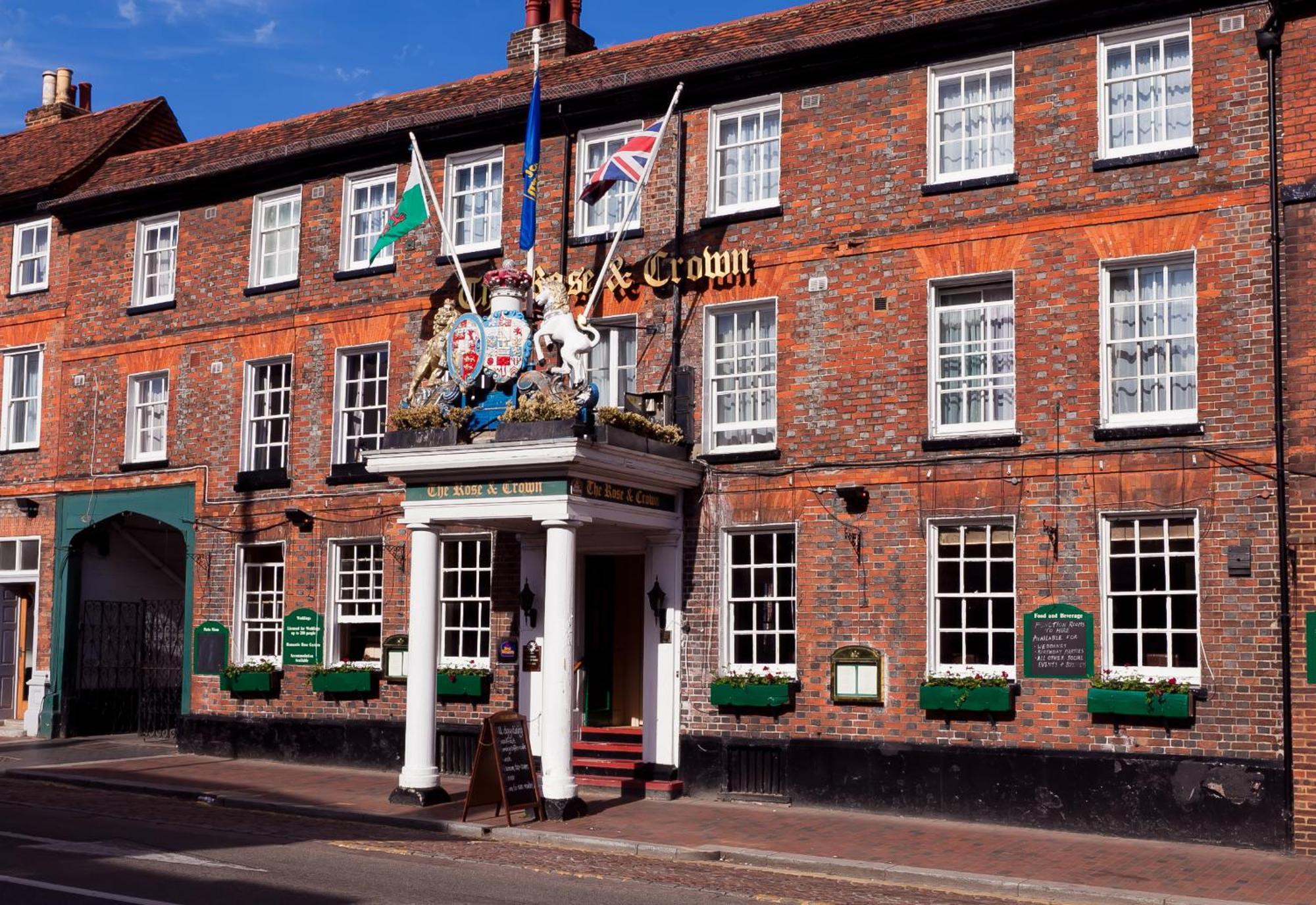
Hotels in Somerset - particularly the pub inns and boutique properties that define the county - offer a noticeably different experience from standard chain hotels: en suite rooms within character buildings, on-site restaurants serving local produce, and direct access to countryside without the premium pricing of a Bath city-centre address. A typical hotel room in Somerset costs around 30% less than an equivalent room in central Bath, while still providing proximity to many of the same day-trip destinations. Room sizes in Somerset hotels tend to be more generous than urban counterparts, and free parking is nearly universal, removing a cost that adds up quickly in Bath or Bristol.
The trade-off is service consistency - smaller inns and independently run hotels vary more in standards than branded chains, and amenities like fitness centres or concierge services are rarely present. Travellers prioritising atmosphere and value over uniformity will find Somerset hotels well-matched to their needs, while those requiring conference facilities or airport-adjacent stays may need to look more carefully at location.
Pros:
- Free private parking is standard across hotels in Somerset, saving meaningful costs compared to city stays
- On-site restaurants and bars in Somerset inns often serve food all day, reducing the need to drive for meals
- More spacious rooms and rural surroundings suit leisure travellers, couples, and families better than compact urban hotels
Cons:
- Independently run hotels vary more in quality than chain properties; reviews require more careful reading
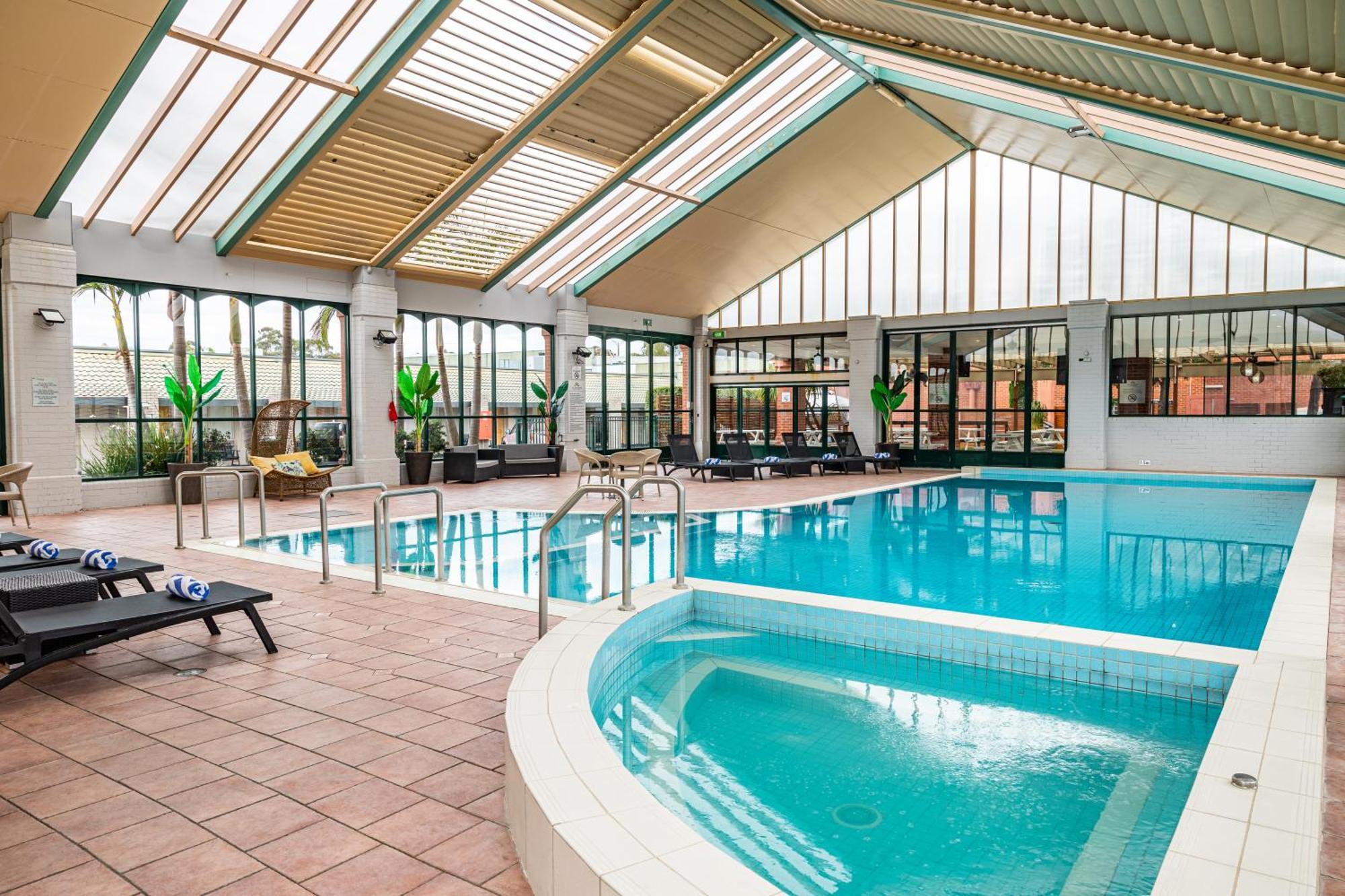
- Facilities like gyms, pools, or spa services are rarely available in standard Somerset hotels
- Limited walkability to shops or entertainment outside of Bath and larger towns
Practical Booking & Area Strategy
Somerset's geography divides naturally into four practical zones for visitors: the Bath fringe in the north-east (best for heritage tourism and city access), the Wellington and Taunton corridor in the west (ideal for M5 travellers and Quantock Hills walkers), the Wincanton area in the east (closest to Longleat, Stourhead, and the A303 London route), and the North Somerset villages near Bristol Airport (useful for early flights or Bristol day trips). Bristol Airport sits around 22 km from Bath and 10 km from Congresbury, making North Somerset hotels a smart option for flight connections without paying Bristol city prices.
For attractions, Cheddar Gorge and Wookey Hole Caves are best accessed from a central Somerset base, while Glastonbury and the Somerset Levels suit properties near Taunton or Street. Book at least 6 weeks ahead for summer weekends, particularly if your dates align with the Glastonbury Festival in late June, when accommodation across the entire county fills rapidly. Shoulder season visits in April or October offer better availability and noticeably lower rates without sacrificing the ability to explore key National Trust properties like Knightshayes or Killerton.
Best Value Stays In Somerset
These properties offer strong practical value across Somerset's countryside and town-fringe locations, combining free parking, on-site dining, and good road access at competitive rates.
-
1. Hunters Lodge Inn
Show on map


 Check-infrom 16:00 until 22:00Check-outfrom 07:00 until 11:00
Just a few rooms left at the best rate!
from£ 50
-
2. Beambridge Inn
Show on map


 Check-infrom 14:00 until 21:00Check-outfrom 07:00 until 11:00
Just a few rooms left at the best rate!
from£ 103
-
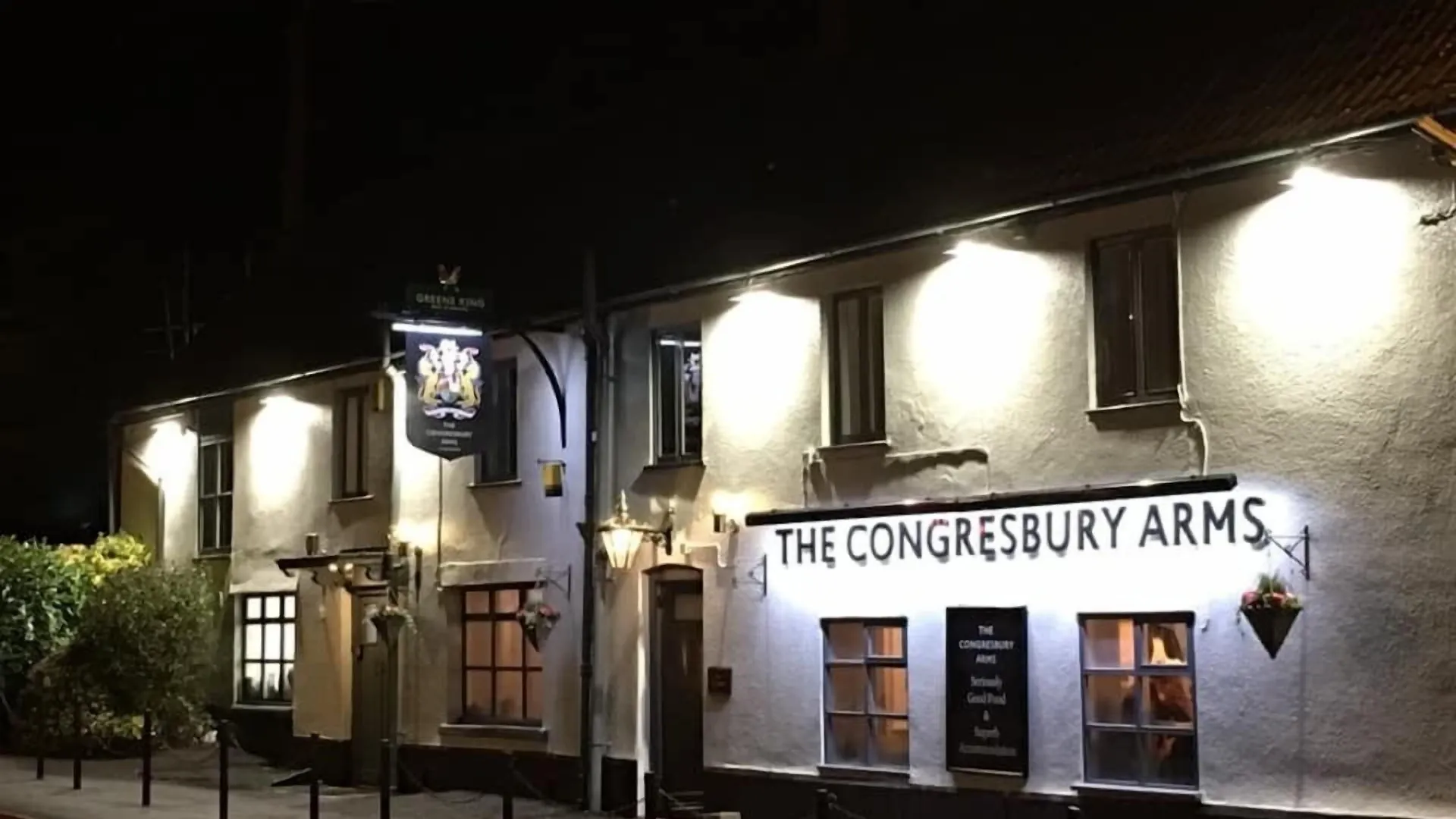
3. The Congresbury Arms
Show on map


 Check-infrom 14:00 until 22:00Check-outfrom 07:00 until 11:00
Hurry – almost gone at this price!
from£ 110
Best Premium Stay In Somerset
For travellers prioritising a boutique experience with heritage character and proximity to Bath's UNESCO-listed landmarks, this property stands apart from the countryside inn category.
-
4. Bathen House Boutique Hotel
Show on map


 Check-infrom 15:00 until 21:30Check-outuntil 11:00
Rooms filling fast – secure the best rate!
from£ 120
Smart Travel & Timing Advice For Somerset
Somerset's peak season runs from late May through August, driven by school holidays, the Glastonbury Festival in late June, and high visitor numbers at Cheddar Gorge and Longleat. Prices across Somerset hotels rise by around 40% during Glastonbury Festival week, and properties within a 30-mile radius of the site often sell out entirely - book months in advance if your dates overlap. The shoulder months of April, May, and September offer the best balance of weather, availability, and value: National Trust properties are open, roads are quieter, and hotel rates reflect lower demand.
For most Somerset itineraries, 2 nights is the practical minimum to cover a meaningful selection of attractions without feeling rushed - 3 nights allows for a full day at Cheddar Gorge and Wookey Hole, a half-day at a National Trust estate, and time to explore your base town. Last-minute bookings in October and November can yield good rates, particularly at countryside inns, but the number of available rooms is smaller outside summer, so early planning still pays off for specific weekends. If you're arriving via Bristol Airport, a North Somerset property like Congresbury saves both time and the cost of an airport hotel.