Houston is the largest city in Texas and one of the most logistically complex to navigate as a visitor - sprawling across over 670 square miles with no single walkable core. Choosing the right hotel here is less about aesthetics and more about positioning: the wrong neighborhood can add 45 minutes to every itinerary move. This guide cuts through the noise to help you compare five concrete hotel options across different Houston districts, so you can book with confidence and spend less time in traffic.
What It's Like Staying in Houston
Houston does not reward the assumption that you can walk anywhere. Unlike Chicago or New York, the city is car-dependent by design - most hotel-to-attraction distances require rideshare or a personal vehicle, and public transit covers only a fraction of useful routes. Downtown Houston offers the densest concentration of venues, but even there, blocks are wide and heat makes walking impractical for around 5 months of the year. Travelers who plan around specific events - a Rockets game at Toyota Center, a conference at George R. Brown Convention Center, or a show at Wortham Center - benefit most from hotels within 2 kilometers of their anchor point.
Pros:
- Houston's hotel market is competitive, offering strong value across all tiers compared to coastal U.S. cities at similar quality levels
- Multiple distinct districts (Downtown, Heights, Energy Corridor, Brookhollow) let you choose based on your specific agenda rather than defaulting to a tourist center
- George Bush Intercontinental and William P. Hobby airports both connect well to the city, giving flexible arrival and departure options
Cons:
- Without a car or consistent rideshare access, getting between neighborhoods is slow and expensive
- Summer heat and humidity make outdoor exploration between late May and September genuinely uncomfortable for extended periods
- Houston lacks a compact, walkable tourist zone - itinerary planning requires more logistical effort than most major U.S. cities
Why Choose a Hotel in Houston
Houston's hotel landscape is broad enough to serve business travelers flying into the Energy Corridor, convention attendees anchored to Downtown, and leisure visitors spreading across the city's cultural venues. Hotels here typically offer more physical space per dollar than comparable properties in Austin or Dallas - a standard king room in a mid-range Houston hotel often includes a dedicated desk, mini-fridge, and generous square footage that boutique properties in denser cities simply can't match. Free parking is a genuine differentiator in this city, since most visitors travel by car, and paid parking garages near Downtown can add around $25 per day to your total cost.
The trade-off with Houston hotels is that chain properties dominate the market, meaning fewer locally distinctive design experiences. Budget properties outside the loop often sit in areas with limited walkability, making restaurant and entertainment access entirely car-dependent - a real logistical friction for travelers without a vehicle.
Pros:
- Free parking is standard at most mid-range and suburban hotels, delivering immediate daily savings for road-trippers and renters
- Hotel room sizes in Houston are above average for U.S. cities, with most 3-star and above properties offering spacious layouts suited to extended stays
- Strong availability and competition between hotel brands keeps rates manageable outside of major conference weeks
Cons:
- Chain hotels dominate, making it harder to find properties with strong local character or independent dining on-site
- Budget hotels in outer districts require reliable transportation for every meal and activity - there is no walkable fallback
- Convention-heavy periods around George R. Brown Convention Center can spike Downtown rates significantly with very short notice
Practical Booking & Area Strategy in Houston
Houston's most strategically useful hotel zones split clearly by traveler type. Downtown and Midtown - anchored by Main Street and the theater district along Texas Avenue - suit conference attendees and visitors planning to use Discovery Green Park, Toyota Center, or Minute Maid Park as their primary stops. The Heights neighborhood, along 19th Street and Yale Street, offers a more residential feel with independent restaurants and coffee shops within walking distance, while still sitting under 6 kilometers from the Wortham Center and Buffalo Bayou Park. The Energy Corridor along I-10 West is the logical base for professionals working in the oil and gas sector, with Memorial City Mall and Citycentre Plaza nearby for off-hours options.
For transport, the METRORail Red Line connects Downtown to the Museum District and NRG Stadium, but coverage remains limited - most travelers rely on rideshare. Book Downtown hotels at least 6 weeks ahead during major events like the Houston Livestock Show and Rodeo (late February through March) or large medical conferences, when availability collapses fast. Suburban properties in Brookhollow and the Energy Corridor stay available longer but offer little to no walkable surroundings after dark.
Best Value Stays in Houston
These hotels offer competitive positioning relative to their price point, with practical amenities for both leisure and business travelers who don't need a Downtown address to justify the stay.
-
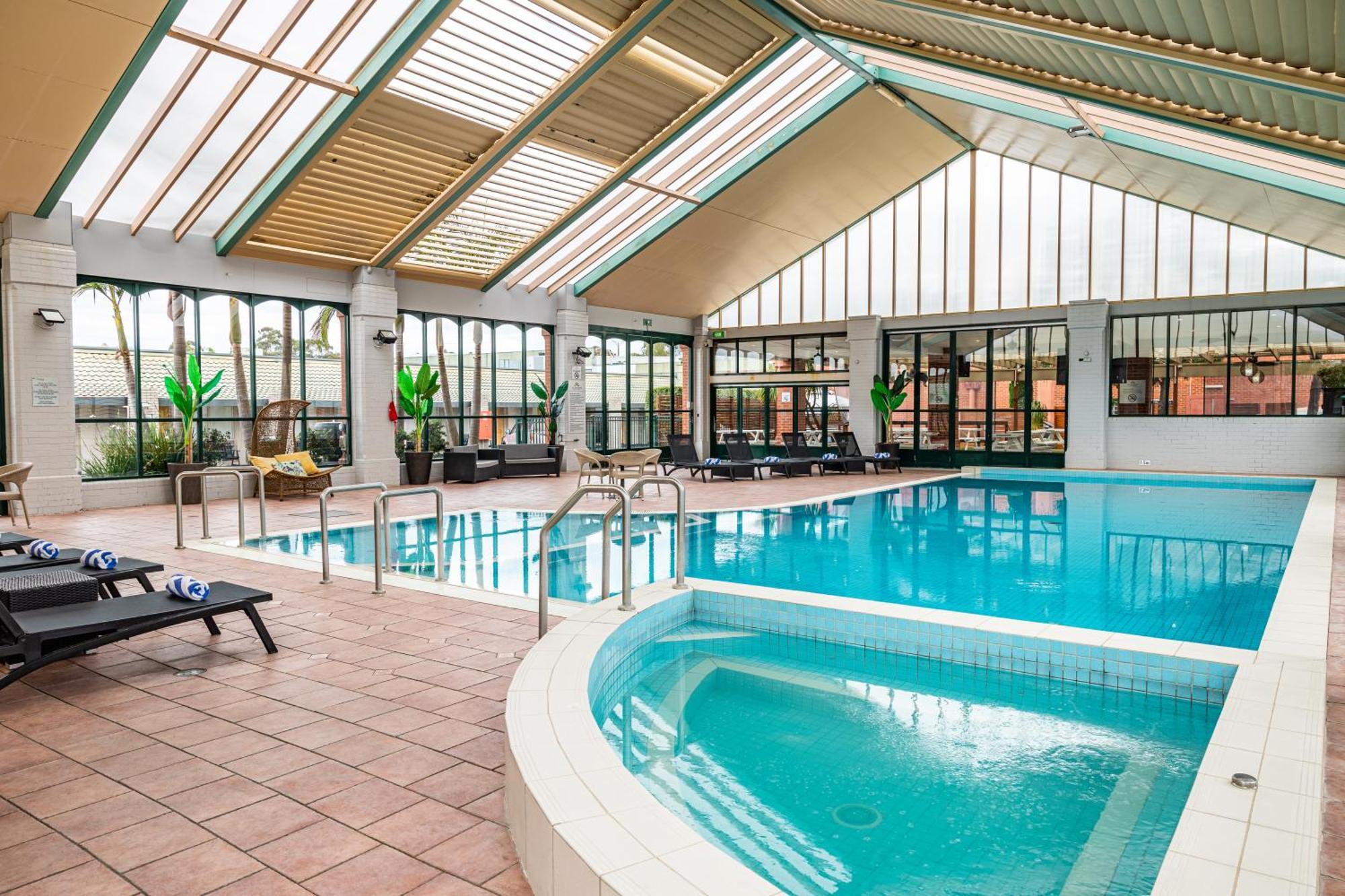
1. Heritage Place Houston Brookhollow
Show on map


 Check-infrom 15:00 until 23:59Check-outuntil 12:00
Just a few rooms left at the best rate!
fromUS$ 53
-
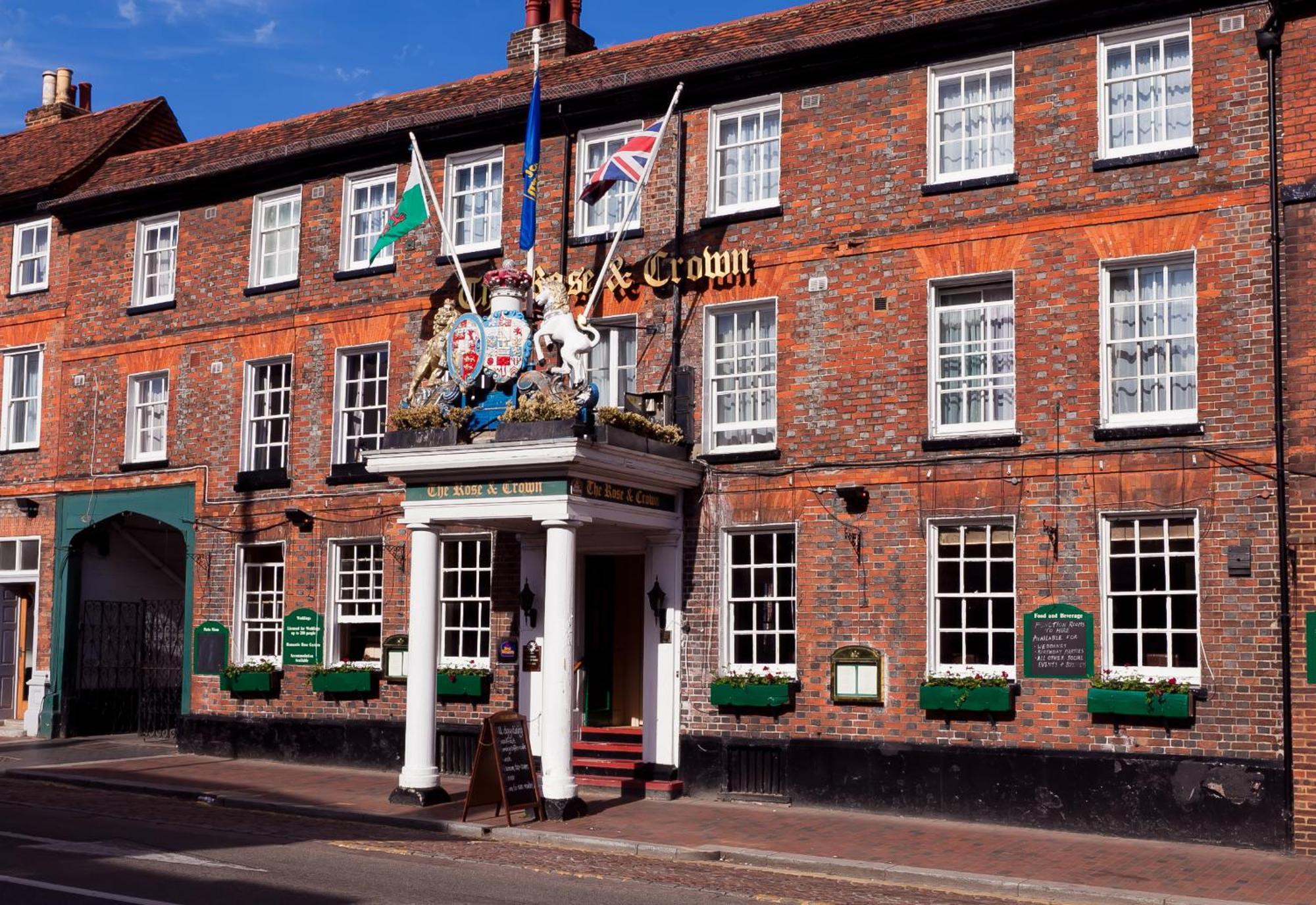
2. Blue Star Inn
Show on map


 Check-infrom 15:00 until 23:59Check-outuntil 11:00
Just a few rooms left at the best rate!
fromUS$ 65
-
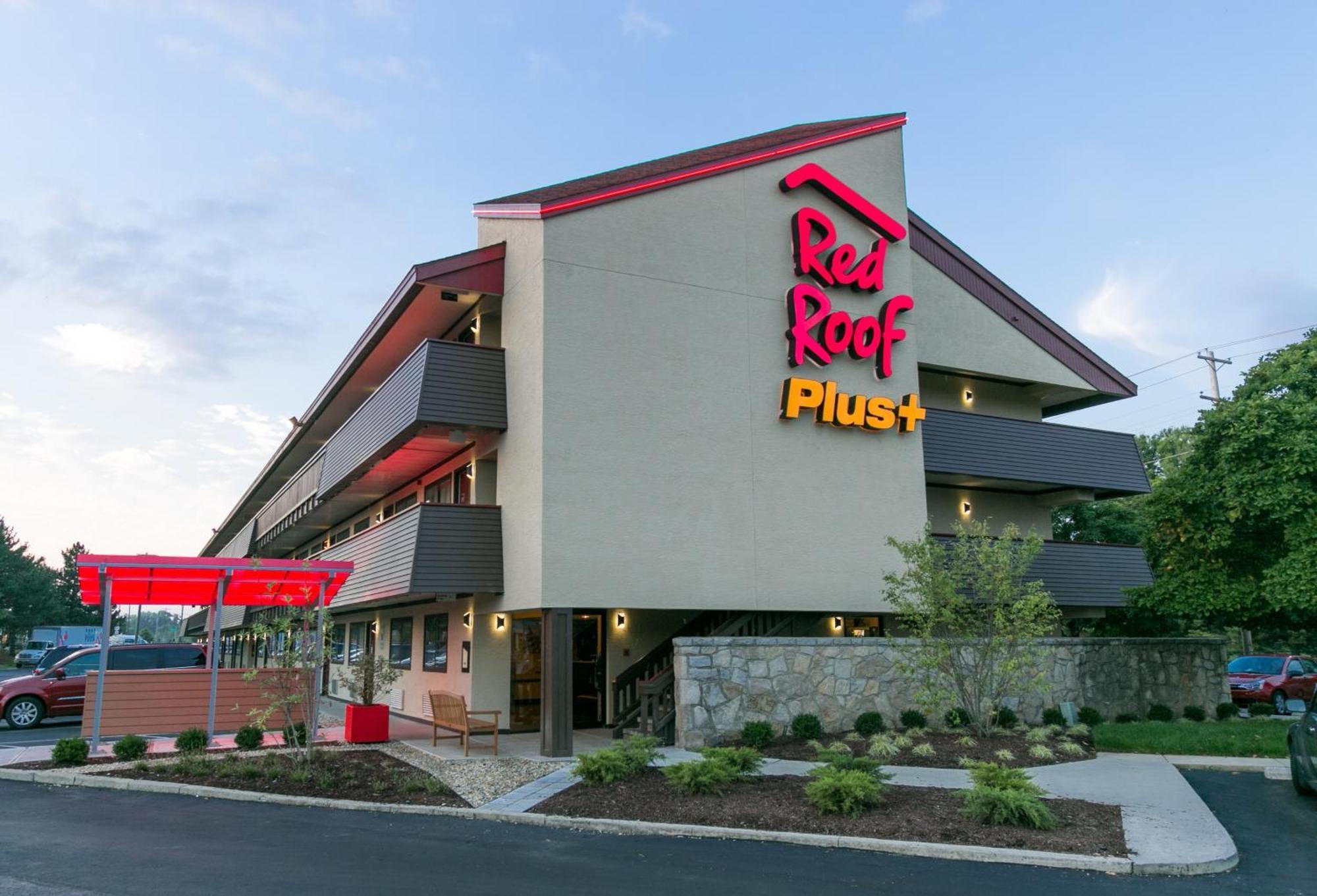
3. Heights House Hotel - Houston Heights Downtown, An Ascend Collection Hotel
Show on map


 Check-infrom 15:00 until 23:59Check-outuntil 11:00
Hurry – almost gone at this price!
fromUS$ 84
Best Premium Stays in Houston
These properties offer upgraded facilities, stronger location leverage, or a higher-specification room experience - suited to travelers who want their hotel to do more logistical work for them.
-
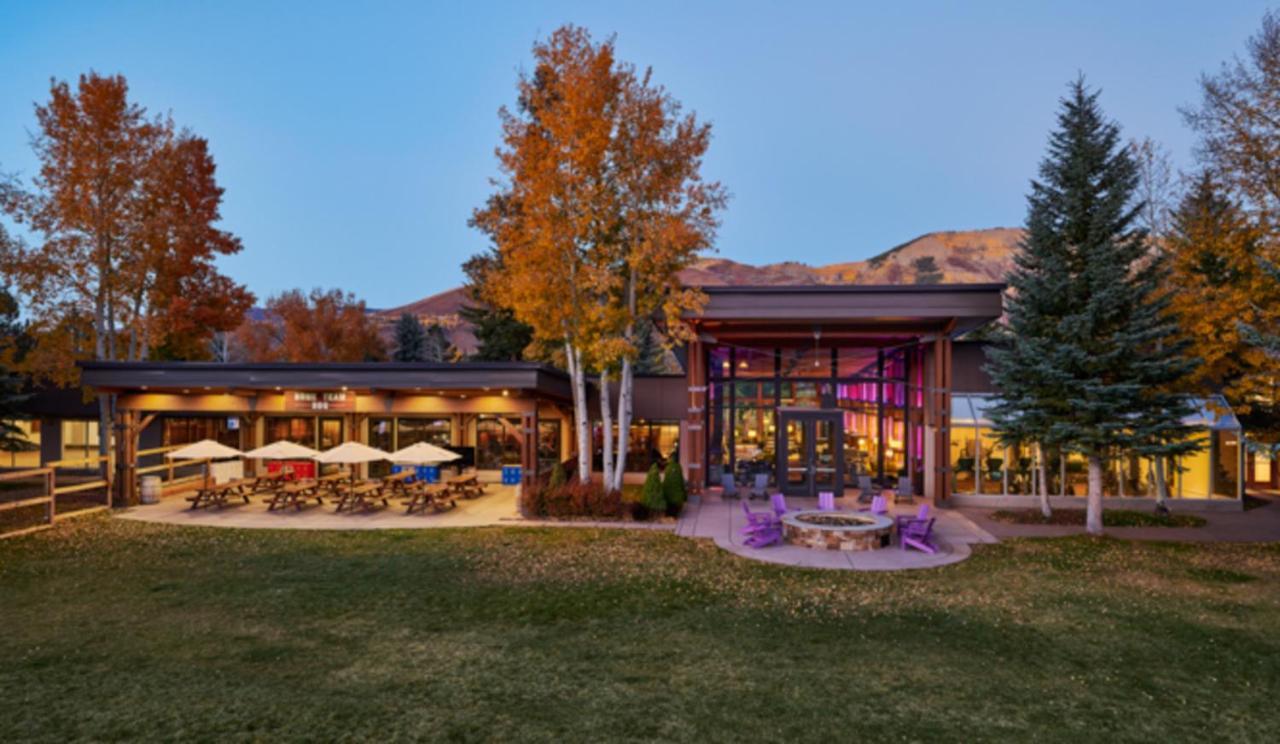
4. Cambria Hotel Houston Downtown Convention Center
Show on map


 Check-infrom 15:00 until 23:59Check-outuntil 11:00
Hurry – almost gone at this price!
fromUS$ 102
-
5. Omni Houston Hotel at Westside
Show on map


 Check-infrom 15:00 until 23:59Check-outuntil 11:00
Rooms filling fast – secure the best rate!
fromUS$ 79
Smart Travel Timing for Houston Hotel Stays
Houston's travel calendar has clear peaks and troughs that directly affect hotel availability and pricing. February through March is the most demand-intensive period, driven by the Houston Livestock Show and Rodeo - one of the largest events of its kind in North America - which consistently fills Downtown and Midtown hotels weeks in advance. Spring (March through May) and fall (October through November) are climatically the best windows for Houston visits, with temperatures in the low 20s Celsius and manageable humidity. Summer arrivals face not just heat but elevated indoor air conditioning that makes packing layering items genuinely necessary for moving between outdoor and indoor environments.
For most travelers, a stay of 3 nights covers the major Downtown attractions, a museum district visit, and a live music or sporting event without feeling rushed. Book at least 6 weeks ahead for any stay that overlaps with a George R. Brown Convention Center event or a major sports playoff - prices during those windows can increase sharply and mid-range options sell out first. Last-minute stays are viable in the outer districts (Energy Corridor, Brookhollow, Southwest Houston) where demand is more business-driven and weekends stay softer on pricing.