Judería is Córdoba's most historically dense neighborhood, wrapping directly around La Mezquita-Catedral and the old Jewish quarter. Staying here puts you inside one of Spain's most visited UNESCO World Heritage Sites - literally within walking distance of the Mosque-Cathedral, the Alcázar de los Reyes Cristianos, and the Calleja de las Flores. This guide compares 4 central hotels in Judería to help you decide which suits your trip, your budget, and your tolerance for tourist foot traffic.
What It's Like Staying In Judería
Judería is a compact, pedestrian-dominated district where the street layout hasn't changed significantly since medieval times - narrow lanes, whitewashed walls, and near-zero car access. Everything you came to Córdoba to see is within a 10-minute walk, but that proximity comes with a specific urban rhythm: tour groups arrive early, souvenir shops open by 9am, and the lanes around La Mezquita stay congested until early evening. Noise insulation becomes a meaningful factor when choosing a room here, especially on lower floors facing main pedestrian streets.
Pros:
- Direct walking access to La Mezquita, the Alcázar, and the Roman Bridge - no transport needed for the main sights
- Dense concentration of traditional Andalusian restaurants and tapas bars within a 5-minute walk of any hotel in the district
- Strong sense of historic atmosphere that outlasts the daytime crowds - evenings in Judería are noticeably quieter and visually striking
Cons:
- Daytime tourist congestion on key lanes can make simple walks feel slow, particularly in spring and around Semana Santa
- Vehicle access is heavily restricted, which complicates arrivals with heavy luggage - most hotels require a short walk from drop-off points
- Hotels here carry a location premium; you pay around 30% more than comparable properties just outside the district
Why Choose A Central Hotel In Judería
Central hotels in Judería occupy a specific market position: they're not boutique design properties and they're not budget hostels - they're full-service hotels that happen to sit inside a UNESCO heritage zone. What that means practically is 24-hour reception, on-site breakfast, and amenities like room service and bars, all delivered within buildings that often incorporate historic Andalusian architecture including internal patios, terracotta tile, and in some cases Roman archaeological remains. Room sizes vary significantly across this category - some properties have adapted historic structures where certain room configurations are inevitably smaller than modern-build equivalents at the same price point.
At current Córdoba market rates, central hotels in Judería typically start around €100 per night and can exceed €200 during peak season - a meaningful step above the €60-€80 average you'd find staying near the train station or Sector Sur. The trade-off is purely logistical: you're buying walkability and atmosphere, not necessarily larger rooms or quieter nights.
Pros:
- Full hotel services (breakfast, bar, 24-hour front desk) inside buildings with authentic Andalusian character - patios, fountains, and historic facades
- Zero-transport access to Córdoba's main monuments, which matters significantly on a short 2 or 3-night city break
- Higher category properties in this zone often include rooftop terraces with direct Mezquita views - a feature impossible to replicate from outside the district
Cons:
- Soundproofing quality varies - properties on pedestrian-heavy streets can be noisy in rooms without upgraded glazing
- Parking is rarely on-site or requires fees; travelers arriving by car face additional logistical friction
- Historic building layouts mean lifts aren't always available in every wing, which matters for guests with mobility considerations
Practical Booking & Area Strategy
Within Judería, positioning relative to La Mezquita matters more than the district label itself. The streets immediately surrounding the mosque - Calle Magistral González Francés, Calle Torrijos, and Calle Buen Pastor - carry the heaviest foot traffic but offer the most dramatic proximity. Hotels on or just off Calle Romero are generally better balanced between accessibility and relative quiet. The River Guadalquivir is around 300 metres south of the Mezquita, and the Roman Bridge access point gives evening walkers a natural escape from the congested core.
Judería has no metro, but Córdoba's central layout means the main train station (Córdoba Central) is reachable in around 20 minutes on foot or under 10 minutes by taxi - manageable even with luggage. The district's most visited sights include La Mezquita-Catedral, the Alcázar de los Reyes Cristianos, the Synagogue on Calle Judíos, the Zoco Municipal craft market, and the Calleja de las Flores. Book at least 6 weeks ahead for April and May, when Córdoba's Patio Festival and Semana Santa push occupancy to near-maximum and prices spike sharply across all Judería properties.
Best Value Stays In Judería
These two hotels offer solid central positioning in Judería with full hotel services at a more accessible price point - both sit within easy walking distance of La Mezquita without the premium commanded by properties directly opposite it.
-
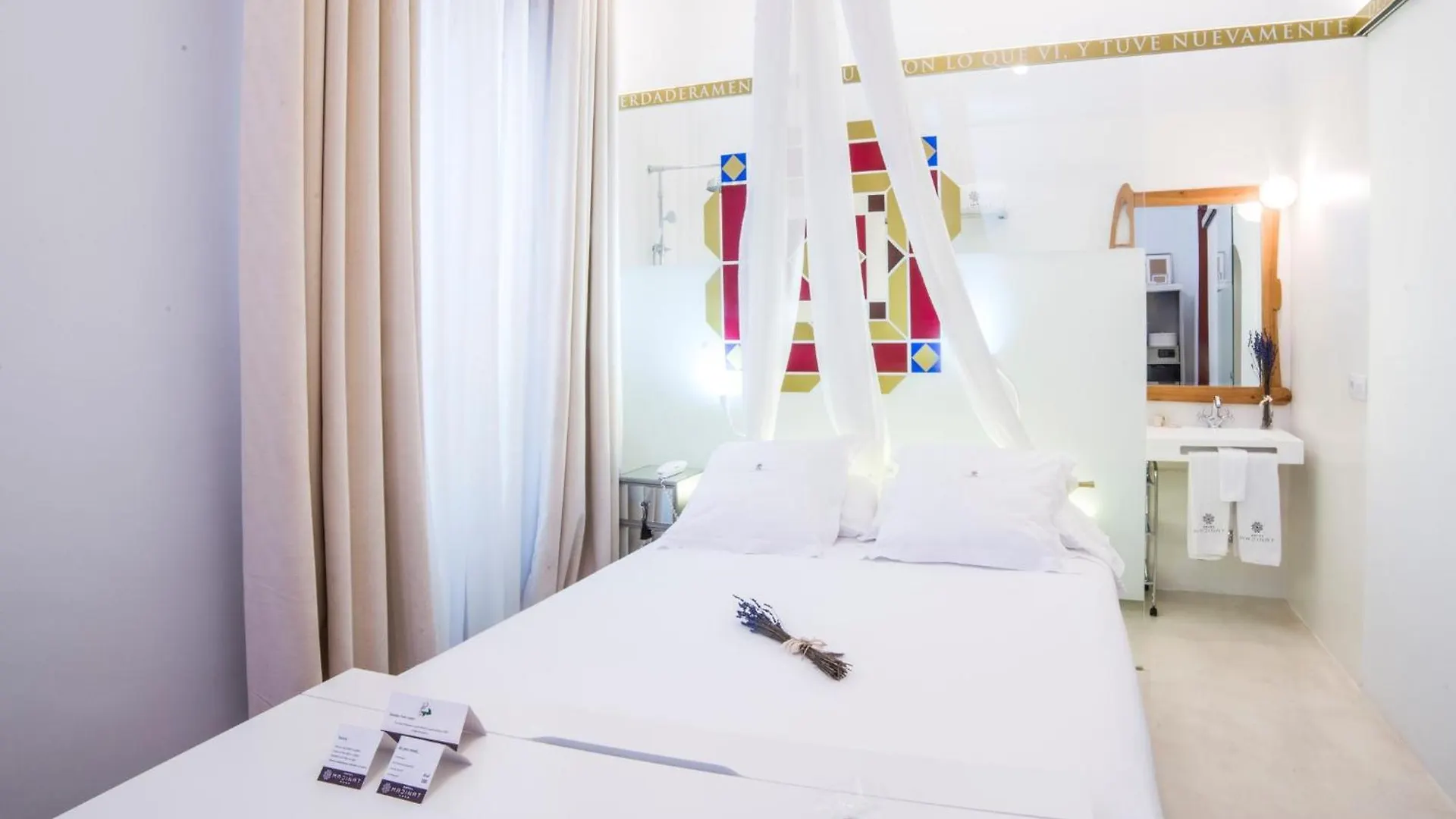
1. Hotel Madinat
Show on map


Just a few rooms left at the best rate!
fromUS$ 128
-
2. Las Casas De La Juderia De Cordoba
Show on map


Just a few rooms left at the best rate!
fromUS$ 154
Best Premium Stays In Judería
These two hotels command the top positioning in Judería - one directly opposite the Mezquita, the other set within a traditional Andalusian courtyard property with elevated service standards. Both are suited to travelers who want maximum proximity and character without compromise.
-
3. Balcon De Cordoba
Show on map


Hurry – almost gone at this price!
fromUS$ 232
-
4. Eurostars Conquistador
Show on map


Rooms filling fast – secure the best rate!
fromUS$ 201
Smart Travel & Timing Advice For Judería
Córdoba's climate and festival calendar create very distinct booking windows for Judería. April and May are the most congested months - Semana Santa and the Festival de los Patios de Córdoba (a UNESCO-listed festival in May) push occupancy across all central hotels above 90% and drive prices to seasonal highs. Travelers who can visit in October or November will find significantly lower rates, thinner crowds at the Mezquita and Alcázar, and temperatures that make walking the district genuinely comfortable rather than punishing.
Summer in Judería (July and August) sees intense heat - temperatures regularly exceed 38°C - which reduces the pleasure of the outdoor patios and rooftop terraces that define many hotels here. If visiting in summer, prioritize hotels with confirmed air conditioning in all rooms and check whether pool access is available. Book at least 8 weeks in advance for any April or May dates; for October through February, last-minute availability is more realistic and prices tend to soften. A stay of 2 nights is generally enough to cover all of Judería's main sights; 3 nights allows day trips to Medina Azahara or the surrounding Campiña countryside without feeling rushed.